
The Complete Guide to New Roof & Gutter Cost in Austin
Average Cost for New Roof and Gutters: 2026 Pricing Overview
A combined roof and gutter replacement typically costs between $10,000 and $25,000 for standard residential projects, depending on material grade, roof architecture, and total perimeter length. Roofing installation generally accounts for 80% to 90% of the total invoice, while complete gutter replacement accounts for the remaining 10% to 20%. Bundling these two projects simultaneously with an experienced roofing contractor saves property owners 15% to 25% on overall labor and mobilization fees because scaffolding, ladders, and protective staging are already set up on-site.
Independent market research on Roof and Gutter Replacement Cost: Price Ranges for U.S. Projects 2026 – Current Cost confirms that coordinating both systems at once eliminates redundant cleanup fees and prevents accidental damage to newly hung troughs during later shingle tear-offs. Selecting a fully integrated residential roofing system ensures that the roof drip edge extends properly over the back lip of the gutter, directing water cleanly away from underlying fascia boards.
| Roofing Material | Typical Roof Lifespan | Installed Roof Cost (Per Sq. Ft.) | Paired Gutter Material | Installed Gutter Cost (Per Linear Ft.) | Total Combined Cost (1,800 Sq. Ft. Home Baseline) |
|---|---|---|---|---|---|
| Standard 3-Tab Asphalt | 15–20 Years | $3.50 – $6.00 | Sectional Vinyl / Economy Aluminum | $4.00 – $9.00 | $7,000 – $14,000 |
| Architectural Shingles | 25–30 Years | $4.50 – $9.50 | 6-Inch Seamless Aluminum | $6.00 – $20.00 | $9,000 – $20,000 |
| Standing-Seam Metal | 40–70 Years | $10.00 – $24.50 | Heavy-Gauge Seamless Aluminum / Steel | $10.00 – $25.00 | $19,000 – $48,000 |
| Concrete / Clay Tile | 50–100 Years | $10.00 – $22.00 | Seamless Aluminum / Custom Copper | $12.00 – $45.00 | $20,000 – $55,000 |
| Natural Slate | 75–150 Years | $23.00 – $32.00 | Half-Round Solid Copper | $30.00 – $55.00 | $45,000 – $65,000+ |
Total Cost for New Roof and Gutters by Home Size
Roof size directly drives the final price tag because roofing materials and labor are priced per “square” (a roofing industry unit equal to 100 square feet of roof surface). A home’s interior living area does not equal the measured roof area. Roof pitch, overhangs, eaves, and architectural hips increase the actual surface area by 10% to 30% above the ground footprint.
For an 1,800-square-foot single-story home with a standard slope, the true roof surface area generally measures between 2,000 and 2,300 square feet (20 to 23 roofing squares). In addition, contractors include a 10% to 15% waste factor for valleys, hip cuts, and starter strips, which increases to 20% on cut-up, complex roofs. A typical 1,800-square-foot home also requires approximately 140 to 180 linear feet of gutters and 3 to 5 downspouts.
Investing in a complete roof replacement ensures accurate slope calculation, precise waste estimation, and proper water deflection geometry.
Estimating the Cost for New Roof and Gutters by Material Grade
Material selection represents the single largest variable in overall project pricing. Architectural asphalt shingles remain the dominant residential standard because they combine cost-effectiveness with reinforced wind resistance against severe weather, intense UV exposure, and heavy daily afternoon storms.
Upgrading to premium standing-seam metal panels costs 2 to 3 times more than asphalt upfront, but metal offers a lifespan exceeding 50 years, superior resistance to Florida hurricane season and wind uplift, and enhanced energy efficiency that reduces summer cooling loads. Seamless aluminum gutters (specifically 6-inch profiles) serve as the ideal counterpart for both shingle and metal systems, delivering durable performance against wind-driven rain without the premature seam leaks common to cheap sectional vinyl gutters.

Roof Replacement Cost Factors and Hidden Expenses
Labor represents 50% to 65% of the total cost on a professional roofing project, with national roofing labor billing between $45 and $95 per worker-hour. Removing and disposing of old shingles adds another $0.40 to $2.00 per square foot depending on the number of existing layers. When unexpected damage hides beneath old shingles, project costs adjust to ensure the structural integrity of the home.
Homeowners can review independent benchmarks in this How Much Does a New Roof Cost in 2026? US Pricing Guide to cross-reference line items. Scheduling thorough roof inspections before signing a contract uncovers structural vulnerabilities early, preventing surprises on installation day.
Common hidden and supplementary line items include:
- Tear-off and dumpster disposal: $400 to $900 per job for single-layer tear-offs; dual-layer removals increase disposal labor significantly.
- Municipal building permits: $150 to $650 depending on Pasco and Hillsborough County permit requirements and local building authorities.
- Flashing replacements: $9.00 to $11.00 per linear foot for wall and valley transitions; $65 to $120 for new plumbing pipe boots.
- Chimney re-flashing: $400 to $850 for complete step and counter-flashing rebuilds.
Labor Rates, Roof Pitch, and Architectural Complexity
Roof pitch—the steepness of the roof incline measured in vertical rise over horizontal run—substantially alters labor billing. Walkable low-slope roofs (4/12 to 6/12 pitch) carry standard baseline labor rates. Once a roof pitch exceeds 7/12 or reaches steep profiles like 9/12 to 12/12, crews must deploy roof jacks, staging scaffolding, and personal fall-arrest safety harnesses.
Steep-slope configurations slow down material handling, increase safety requirements, and add a 20% to 50% labor surcharge. Multi-story homes also require additional staging time to hoist heavy materials to upper levels.
Underlying Decking, Flashing, and Ventilation Upgrades
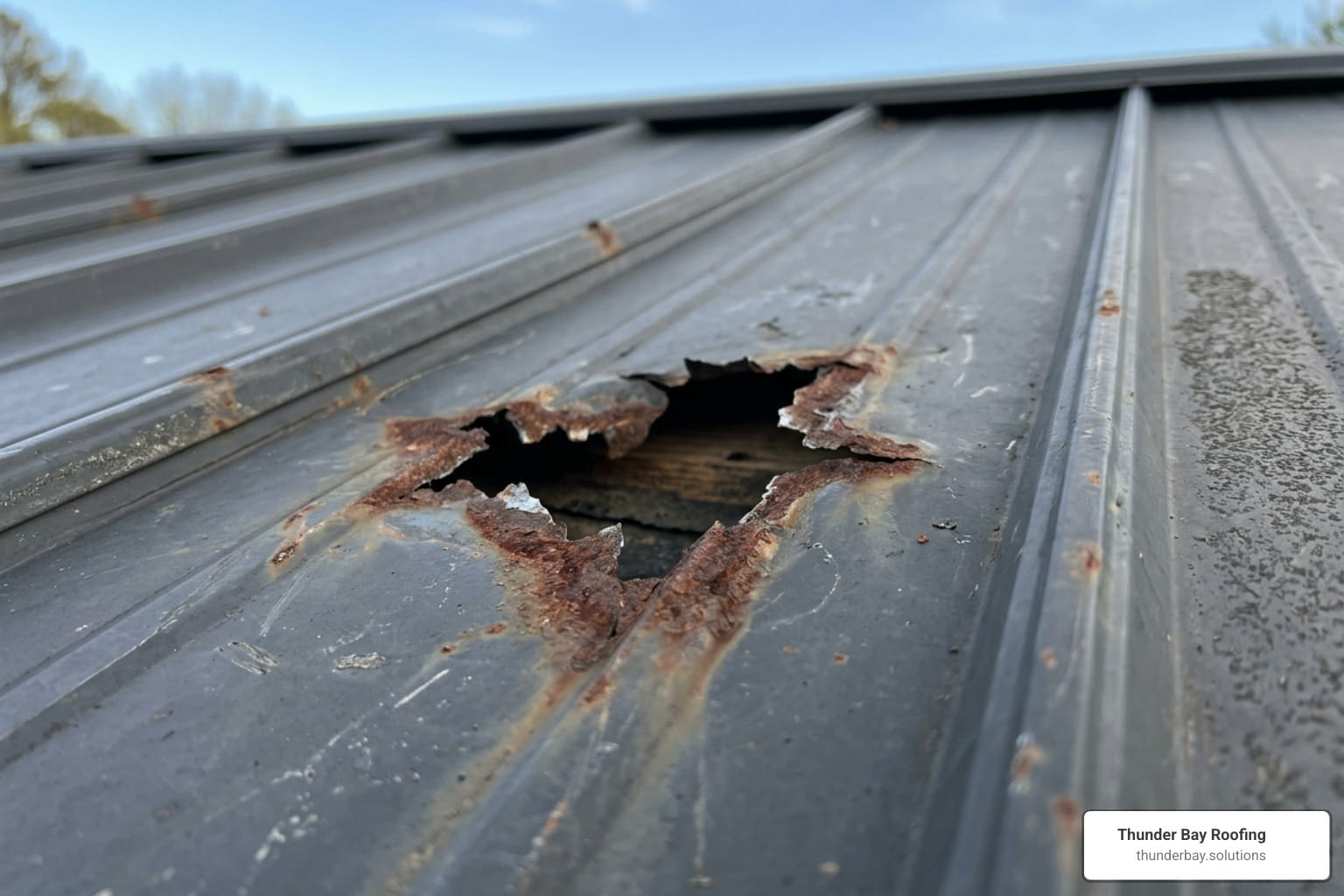
Over 50% of re-roofing projects uncover hidden wood rot across the underlying plywood or OSB decking once the old materials are stripped away, often caused by repeated exposure to daily afternoon storms and wind-driven rain. Rotted or delaminated wood decking must be replaced immediately to ensure new fasteners hold firmly against severe Florida hurricane season and wind uplift events.
Standard decking replacement costs $75 to $135 per 4×8-foot sheet installed. Modern building codes and local wind-mitigation requirements also require upgraded synthetic underlayment, enhanced self-adhering secondary water barriers in valleys, and proper intake and exhaust ventilation (such as ridge vents) to withstand intense UV and maintain balanced airflow throughout the attic.
Gutter Replacement Costs, Materials, and Sizing
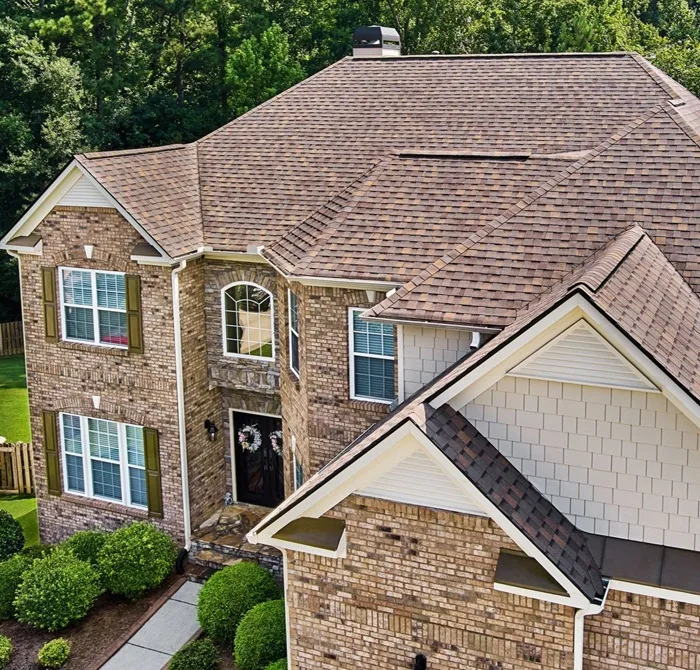
Gutter installation averages $5 to $14 per linear foot for standard systems, with custom seamless configurations ranging from $6 to $20 per linear foot installed. Seamless gutters are custom-extruded on-site using heavy-duty portable roll-forming machines, creating continuous metal troughs cut to the exact dimensions of each roofline run.
Homeowners can run specific measurements through the Gutter Installation Cost Calculator (2026) | Per Foot to verify regional averages.
Sizing plays a critical role in system efficiency. Standard 5-inch K-style gutters handle average rainfall, but 6-inch high-capacity gutters carry roughly 40% more water volume. Upgrading to 6-inch gutters costs only $1 to $3 more per linear foot and drastically reduces spillover during intense, wind-driven downpours.
Furthermore, rotted fascia boards discovered behind old gutters must be replaced before hanging new troughs, adding $6 to $20 per linear foot for carpentry and wood replacement.
Gutter Material Comparison: Aluminum, Vinyl, and Copper
- Seamless Aluminum ($6 – $20 per linear foot installed): The optimal standard for residential homes. It will not rust, lasts 20 to 30 years, is available in dozens of baked-on factory colors, and eliminates leaking seams along gutter runs.
- Sectional Vinyl ($3.50 – $9 per linear foot installed): The lowest upfront cost, but vinyl becomes brittle under intense UV exposure, warps over time, and features multi-piece glued joints that frequently leak. Lifespan is limited to 10 to 15 years.
- Galvanized Steel ($10 – $25 per linear foot installed): Exceptionally rigid and impact-resistant against falling branches, but prone to eventual corrosion if standing water sits in the trough. Lifespan is 15 to 25 years.
- Solid Copper ($25 – $55 per linear foot installed): The ultimate luxury choice for historic, masonry, or high-end tile homes. Copper develops an attractive green patina, requires zero paint, and boasts a 50- to 100-year lifespan.
Gutter Guards and Drainage System Integration
Adding gutter guards during installation helps keep debris, pine needles, and leaves from clogging downspouts. Premium micro-mesh stainless steel guards cost $6 to $18 per linear foot installed and block fine sediment while capturing heavy water runoff.
Proper drainage integration also requires:
- Installing one vertical downspout for every 30 to 40 linear feet of gutter run.
- Downspout extensions that direct discharge water at least 4 to 6 feet away from the exterior walls.
- Concrete or heavy composite splash blocks at ground discharge points to prevent soil erosion and foundation settlement.
When to Replace vs. Repair Your Roof and Gutter System
Deciding whether to perform targeted repairs or commission a full system replacement often comes down to the 50% rule: if the combined cost of necessary repairs exceeds 50% of the total replacement value, a full replacement delivers far greater long-term financial return.
Homeowners can explore broad economic breakdowns in The Ultimate Guide to Average Roof Replacement Costs to evaluate life-cycle budgeting.
A new roof replacement yields an average return on investment (ROI) of roughly 68% at home resale, while protecting your home from structural moisture damage, drywall decay, and interior mold remediation that can easily cost tens of thousands of dollars.
Evaluating Roof Damage and Lifespan Indicators
Key indicators that signal an immediate need for full roof replacement include:
- Curling, Cupping, or Buckling Shingles: Hardened, curled shingle tabs signify that the asphalt binder has dried out and can no longer resist wind uplift.
- Extensive Granule Loss: Bare patches exposing black asphalt substrate, along with heavy accumulations of mineral granules in gutter troughs.
- Widespread Missing Shingles: Multiple missing shingles across various slopes following high-wind weather events.
- Interior Attic Moisture and Deck Sagging: Dark water staining across rafters, mold on plywood sheathing, or visible sagging along roof planes.
- Age: Any standard architectural asphalt roof approaching 20 to 25 years of service life.
Gutter Failure Signs and Water Damage Risks
Failing gutters threaten your entire home structure. Key failure indicators include:
- Sagging and Pulling Away: Troughs pulling away from the fascia indicate failed hidden hangers or soft, rotted fascia wood behind the brackets.
- Splitting Seams and Corner Leaks: Water dripping at miters, end caps, and joiners during rainstorms.
- Peeling Paint and Rust Stains: Water overflowing the back edge of gutters, rotting soffits, and staining siding.
- Foundation Trenching and Pooling: Water cascading directly off the eaves, digging trenches in landscaping, and pooling against foundation footings.
Frequently Asked Questions About Roof and Gutter Replacement
What is the average combined cost for a new roof and gutters on an 1,800 sq ft home?
On an 1,800-square-foot single-story home, the combined cost for a new architectural asphalt shingle roof and seamless aluminum gutters averages $9,000 to $20,000. This encompasses a one-layer tear-off, synthetic underlayment, drip edge, permits, 140 to 180 linear feet of seamless 6-inch gutters, downspouts, and complete jobsite cleanup.
Does replacing my roof and gutters lower homeowner insurance premiums?
Yes. Installing a brand-new roof resets the roof age factor on your insurance policy, which is one of the most critical risk metrics underwriters evaluate. Additionally, installing impact-rated materials (Class 4 shingles or standing-seam metal) paired with a certified wind-mitigation inspection that complies with Pasco and Hillsborough County permit standards—verifying hurricane ring-shank nail patterns, secondary water barriers, and high wind uplift resistance—can lower annual homeowner insurance premiums by 10% to 35%.
When is the most affordable time of year to replace a roof and gutters?
Late fall through winter typically offers the most affordable pricing. Contractor demand decreases following the peak Florida hurricane season and summer storm cycles, leading to more competitive labor estimates, flexible project scheduling, and faster permit turnaround times.
Conclusion
Replacing your roof and gutter system is a major home investment that protects your property value and interior living space. When evaluating quotes, ensure your contractor provides written proof of state licensing, comprehensive general liability and workers’ compensation coverage, a clearly defined scope of work with itemized decking allowances, and a minimum 10-year workmanship warranty.
At Thunder Bay Roofing, we build durable exterior systems engineered to perform under intense sun and severe tropical downpours. Contact us today for a Free Roof Quote and schedule your on-site inspection with our expert team.