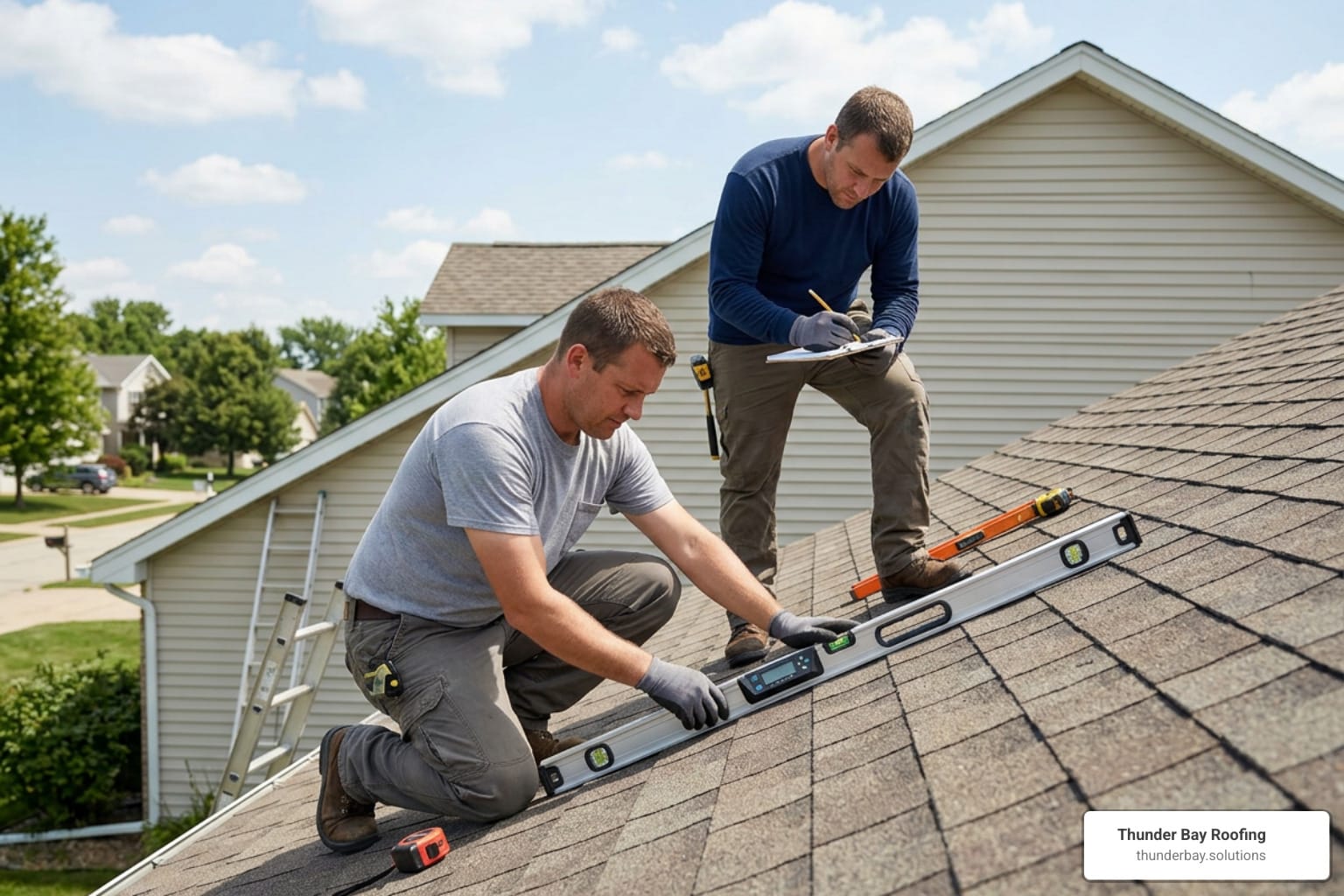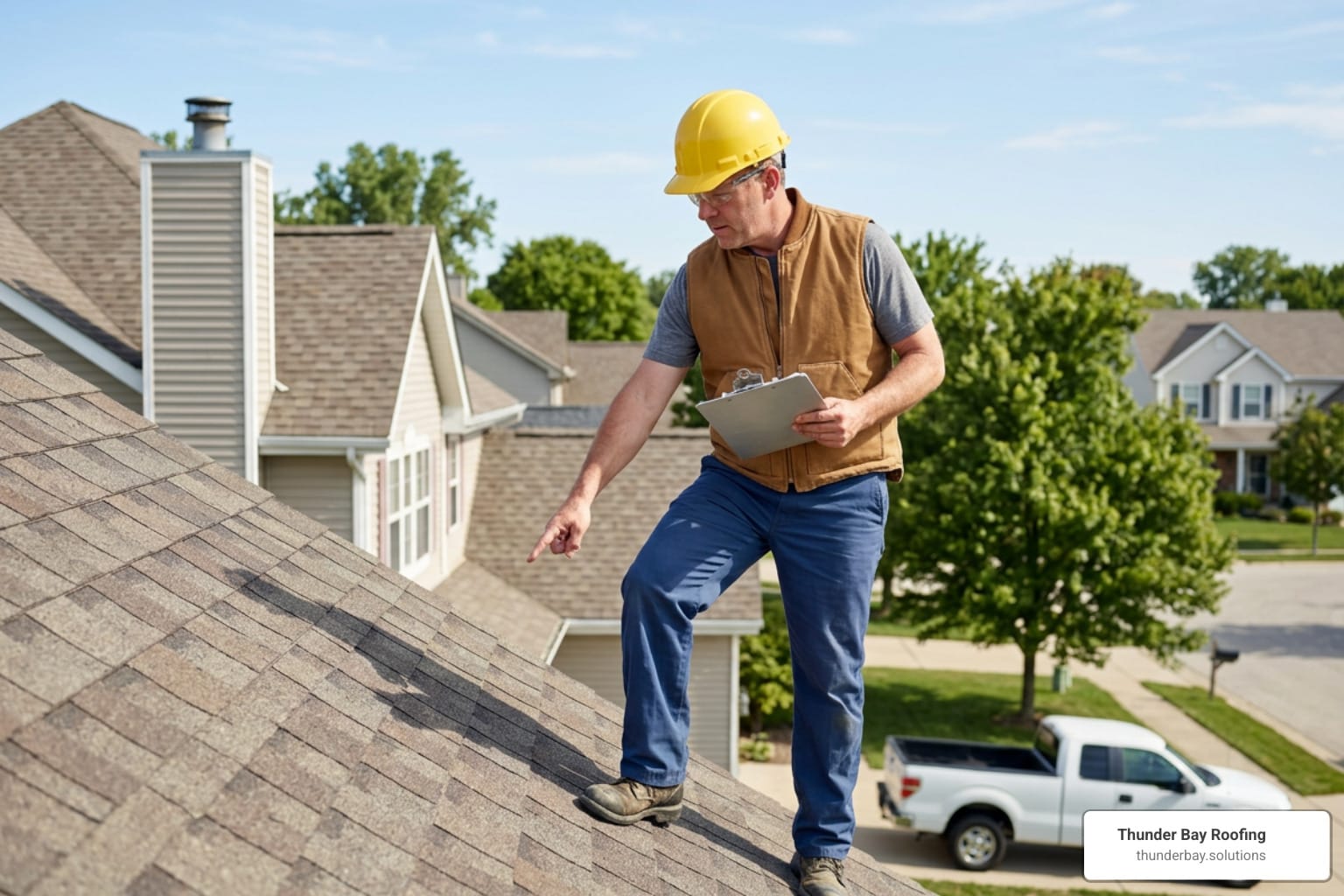

How to Handle Hurricane Roof Repair Like a Pro
What to Do After a Hurricane Damages Your Roof
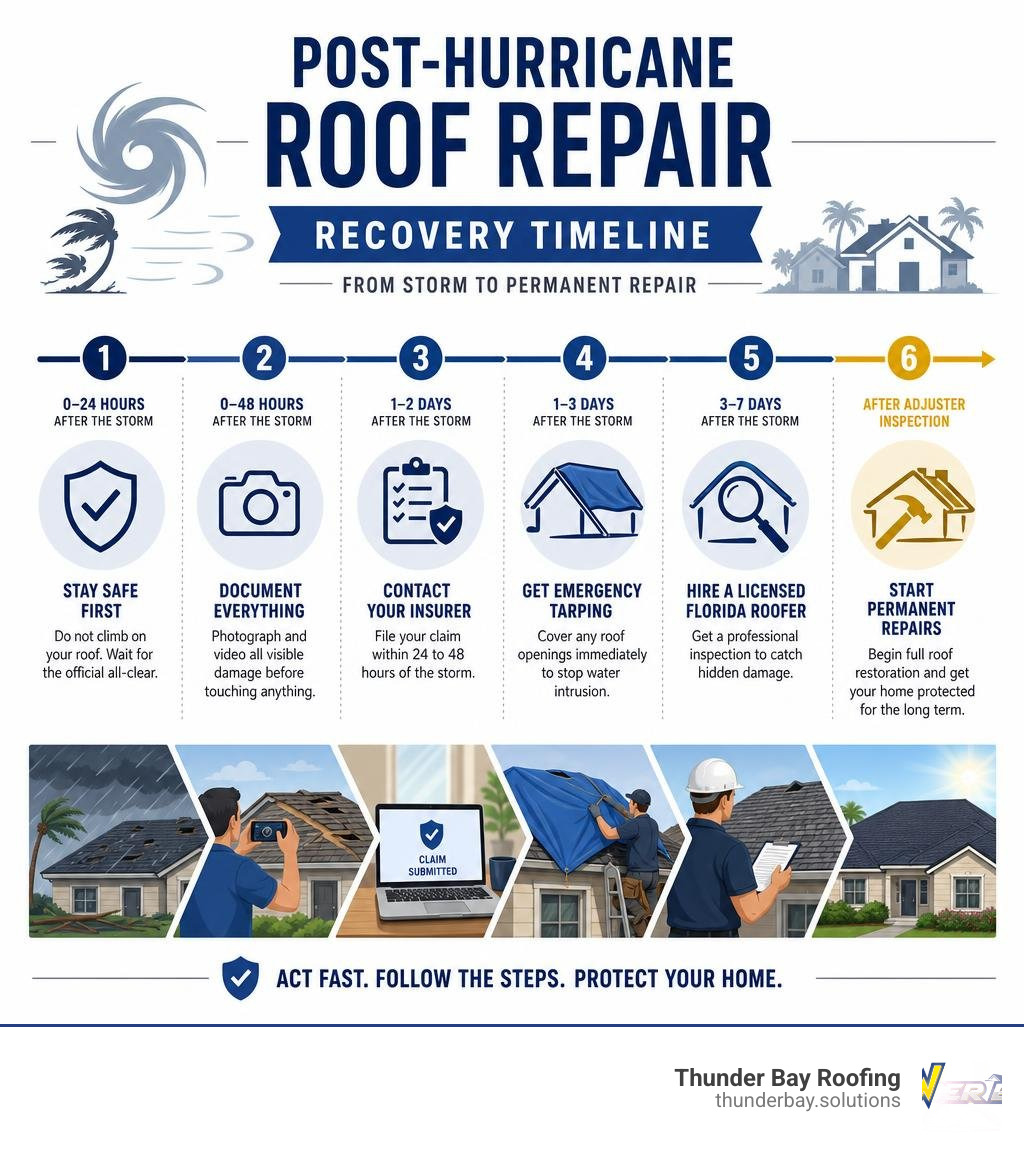
Hurricane roof repair is time-sensitive — every hour of delay increases the risk of mold, structural rot, and costly secondary damage. If your home has been impacted, securing professional Florida roofing services immediately is critical to protecting your property. Here is a quick overview of the essential steps:
- Stay safe first. Do not climb on your roof. Wait for the official all-clear.
- Document everything. Photograph and video all visible damage before touching anything.
- Contact your insurer. File your claim within 24 to 48 hours of the storm.
- Get emergency tarping. Cover any roof openings immediately to stop water intrusion.
- Hire a licensed Florida roofer. Get a professional inspection to catch hidden damage.
- Start permanent repairs. Only after your adjuster has completed their inspection.
Hurricanes hit roofs first — and they rarely leave obvious damage behind. A few missing shingles might be the only visible sign, while underneath, broken seals, soaked insulation, and compromised decking are quietly setting the stage for a far bigger problem. According to industry data, mold can begin growing within 24 to 48 hours after water enters a home, and homes with roofs older than 20 years are three times more likely to suffer severe hurricane damage.
If your roof took a hit during a recent storm, the decisions you make in the next few hours and days matter enormously — for your home’s safety, your wallet, and your insurance claim outcome. Thunder Bay Home Solutions helps Wesley Chapel homeowners and business owners navigate every step of that process, from emergency tarping to full roof restoration.
I’m Tyler Wood, owner of Thunder Bay Home Solutions in Wesley Chapel, Florida — a veteran-owned roofing company built specifically to handle the demands of Florida’s hurricane season, including hurricane damage roof repair for both residential and commercial properties. Florida’s extreme weather shaped how I approach every roof assessment, and this guide reflects what I’ve learned working in one of the most storm-prone roofing markets in the country.
Hurricane roof repair terms at a glance:
Identifying Common Types of Storm Damage
Hurricanes subject properties in Wesley Chapel, Land O’ Lakes, and Lutz to extreme upward pressures and violent impacts. Understanding how these forces manifest on different roofing systems is the first step toward restoring your home’s envelope.
Wind damage is rarely uniform. Because of the aerodynamics of pitched roofs, wind speed accelerates over the roof surface, creating severe suction forces. This suction is strongest at the corners, eaves, and rakes of your roof.
Here are the most common types of damage we identify during post-storm assessments:
- Shingle Damage: High winds lift, curl, or completely tear away asphalt shingles. Even if a shingle looks intact, the wind may have broken its adhesive sealant strip. Once this seal is broken, the shingle can no longer protect the underlayment from wind-driven rain.
- Granule Loss: Heavy rain and hail wash away the protective mineral granules on asphalt shingles. This exposes the underlying asphalt mat to destructive UV rays, accelerating the aging process and causing shingles to crack and leak.
- Gutter Dents and Blockages: Windblown debris and hail dent gutters and downspouts. Additionally, flying foliage can clog your drainage system, leading to water pooling along the roof edge and rotting your fascia boards.
- Structural Compromise: Large falling branches or uprooted trees can fracture rafters, shift roof trusses, and puncture the roof deck. This compromises the load-bearing capacity of your entire home.
For a detailed technical breakdown of how wind pressures compromise residential structures, you can review the official guidelines on Roof Repair After a Hurricane.
When to Seek Professional Hurricane Roof Repair
You should seek professional hurricane roof repair immediately if you experience active interior leaks, notice visible structural sagging, or see large patches of missing shingles from the ground. However, the most dangerous storm damage is often invisible to the untrained eye.
Wind-driven rain can bypass lifted shingles and soak your attic insulation weeks before a water stain ever appears on your ceiling. Our team performs comprehensive multi-point inspections to detect these hidden issues before they escalate. We check for compromised flashing, hairline cracks in tile roofs, and moisture trapped beneath synthetic underlayments.
If you suspect your roof has suffered silent damage, scheduling a professional inspection for Storm Damaged Roofing is the safest way to protect your property. For a deeper dive into how wind affects your home, read our guide on Wind Damage Roofing 101.
Recognizing Wind and Hail Damage
To recognize wind and hail damage, look for dark, circular impact bruises on asphalt shingles, dented metal flashing, and cracked or missing clay tiles. Hailstones physically fracture the fiberglass mat of asphalt shingles, leaving soft, black punctures where the protective granules have been completely dislodged.
Wind damage often presents as clean lines of missing shingles or creased shingles that have been folded backward by high-velocity updrafts. If the wind has broken the seal between shingle layers, you may also notice shingles that flutter or rattle during normal afternoon thunderstorms.
Identifying these signs early is crucial. If you spot any of these indicators, you should immediately contact a professional to coordinate Wind Damage Repair to prevent water from reaching your roof deck.
Navigating Hurricane Roof Repair and Insurance Claims
Filing an insurance claim after a major storm can feel overwhelming, but understanding your policy’s structure will help you maximize your coverage. In Florida, standard homeowners insurance policies typically cover sudden wind and hail damage, but they exclude damage caused by rising floodwaters.
When navigating a claim, you must understand three critical terms:
- Hurricane Deductible: Unlike your standard flat deductible, Florida hurricane deductibles are typically calculated as a percentage of your home’s total insured value (usually 2% to 5%). For example, if your home is insured for $400,000, a 2% deductible means you must pay $8,000 out of pocket before your insurance coverage kicks in.
- Actual Cash Value (ACV): An ACV policy pays to repair or replace your roof based on its depreciated value at the time of the storm. If your 15-year-old roof is damaged, the payout will be significantly lower than the cost of a new roof.
- Replacement Cost Value (RCV): An RCV policy covers the actual cost to replace your damaged roof with a new one of similar quality today, regardless of the age or depreciation of the old roof. Many insurers pay the ACV portion first and release the remaining RCV funds once the repairs are completed and invoiced.
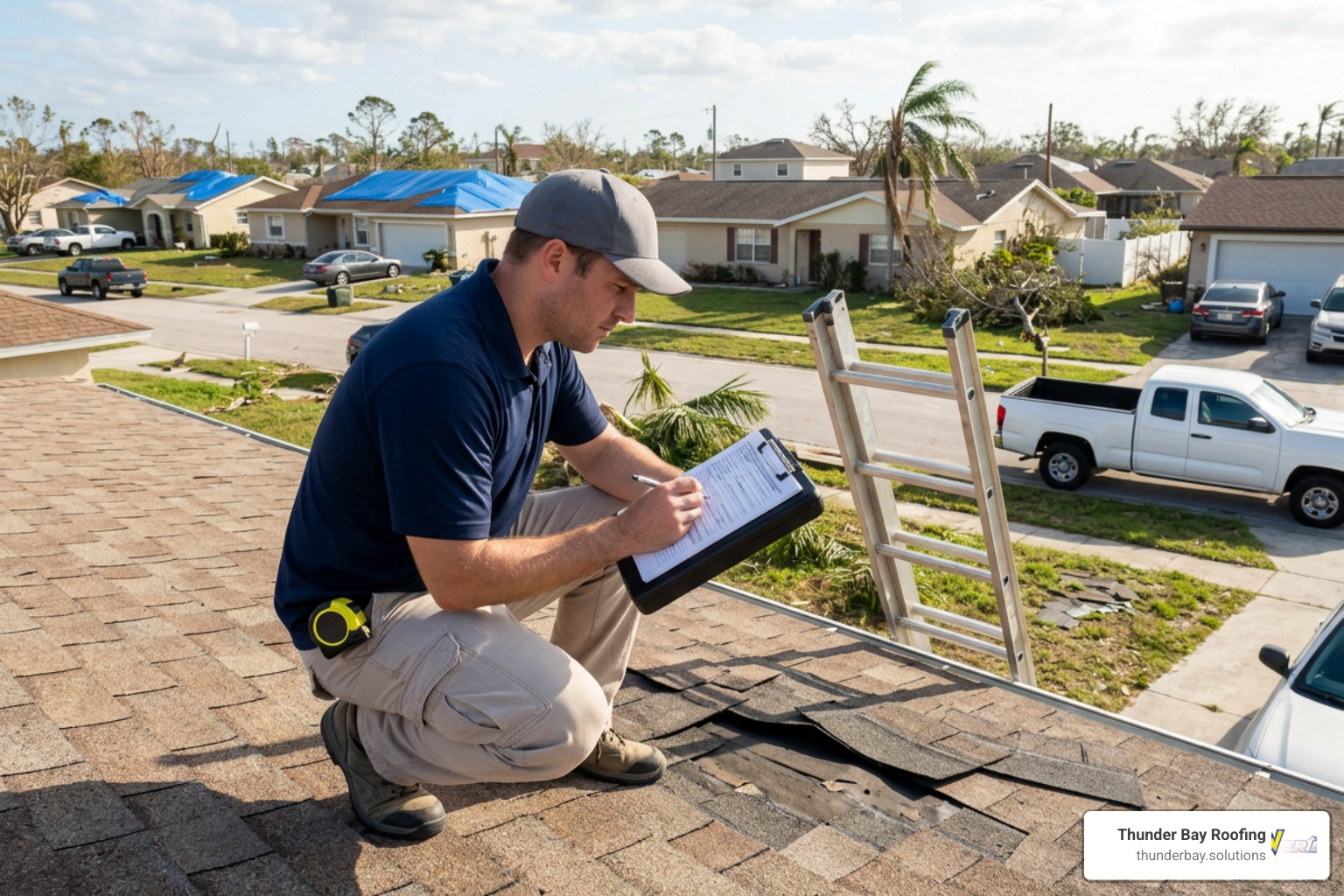
To ensure your claim is approved, you must document the damage thoroughly. Take wide-angle and close-up photographs of all damaged areas, record narrated videos of interior leaks, and keep detailed records of all temporary repair receipts. For a step-by-step walkthrough of this process, download The Ultimate Storm Damage Repair Checklist.
Emergency Tarping and Temporary Mitigation
Emergency tarping is the single most effective temporary measure to prevent secondary water damage, which can reduce interior restoration costs by up to 70%. When a hurricane tears away your primary roofing material, your home’s interior is left highly vulnerable to daily Florida downpours.
Professional tarping involves securing heavy-duty, UV-resistant tarps over the damaged sections of your roof using wooden furring strips. These tarps must extend over the roof ridge to prevent water from running underneath the plastic.
Because mold can take hold in wet drywall and insulation within 24 to 48 hours, immediate mitigation is essential. If your roof has been breached, schedule professional Emergency Tarping to secure your home. You can also consult our Emergency Roof Repair Guide for Leaky Situations for immediate steps to take while waiting for our crew to arrive.
Working with Licensed Contractors
After a major hurricane, “storm chasers” often flood West Central Florida. These are out-of-state, unlicensed contractors who knock on doors, offer to waive your insurance deductible (which is illegal under Florida law), and demand large upfront payments before disappearing.
To protect yourself, always verify a contractor’s credentials:
- Confirm their active license on the official state portal (myfloridalicense.com).
- Ensure they have a permanent physical business address in Florida.
- Verify they carry adequate general liability and workers’ compensation insurance.
- Never sign an Assignment of Benefits (AOB) agreement without consulting your insurance company first.
Working with a local, established business ensures your warranties will be honored years down the road. If you need immediate, reliable assistance, read our guide on When the Levee Breaks: Finding Fast Emergency Roof Repair in Florida.
Repair vs. Replacement: Making the Right Choice
Deciding whether to repair a section of your roof or replace the entire system depends on the age of your roof, the extent of the structural damage, and local building regulations.
In Florida, we must adhere strictly to the Florida 25% Rule. This building code dictates that if more than 25% of a roof section is repaired, replaced, or recovered within any 12-month period, the entire roof must be brought up to the current Florida Building Code. Often, this means a partial storm repair automatically triggers a full roof replacement.
Additionally, the age of your roof plays a major role. Homes with roofs older than 20 years are three times more likely to experience catastrophic failure during high-wind events. If your roof is approaching the end of its natural lifespan, investing in a complete replacement is often more cost-effective than continuous, localized repairs.
| Feature | Roof Repair | Full Roof Replacement |
|---|---|---|
| Best For | Isolated damage (e.g., a few missing shingles, localized flashing leaks) | Widespread storm damage, structural rot, roofs older than 15–20 years |
| Cost | Lower upfront cost, usually fits within standard deductibles | Higher upfront cost, but often largely covered by RCV insurance policies |
| Code Compliance | Allowed if damaged area is less than 25% of the total roof surface | Required if damage exceeds 25% (Florida 25% Rule) |
| Lifespan | Extends the life of the existing roof by a few years | Resets your roof’s lifespan to 20–50 years depending on materials |
| Wind Resistance | Keeps existing structural wind resistance intact | Drastically improves wind resistance with modern codes and materials |
When Roof Repair is Sufficient
Roof repair is sufficient when the damage is highly isolated, the roof is relatively new (under 10 years old), and the underlying deck is completely dry and structurally sound.
If a localized wind gust peeled back a single row of shingles or damaged a piece of chimney flashing, we can easily replace those specific components. This restores your roof’s water shedding ability without the expense of a full tear-off. If your roof fits these criteria, explore our professional Roof Repair services to get your home sealed quickly.
The Cost of Delaying Hurricane Roof Repair
Skipping or delaying timely hurricane roof repair is a recipe for financial disaster. Even a minor, unaddressed leak will allow water to slowly rot your plywood roof deck, ruin your attic insulation, and destroy your interior drywall.
Furthermore, trapped moisture creates the perfect breeding ground for toxic mold. Remediating a severe mold infestation can cost tens of thousands of dollars — expenses that insurance companies may refuse to cover if they determine the damage resulted from a failure to perform timely maintenance.
If you suspect your roof has been compromised, do not wait. Contact us immediately for a professional Hurricane Damage Roof Repair assessment to halt water damage in its tracks.
When Full Roof Replacement is Required
A full roof replacement is required when structural damage is widespread, the roof deck has begun to rot, or the system is too old to safely withstand another Florida hurricane season.
If wind uplift has detached large sections of your roof decking from the trusses, or if water has saturated more than a quarter of your roof surface, a localized patch will not guarantee your safety. In these scenarios, we tear off the old system down to the bare wood, repair any damaged decking, and install a modern, code-compliant roofing system.
If your home requires a complete overhaul, learn more about our high-wind-rated systems by visiting our Roof Replacement service page.
Upgrading Your Roof for Future Hurricane Resistance
When replacing a storm-damaged roof, you have a golden opportunity to upgrade your materials to resist future hurricanes. Building a resilient roof not only protects your family but can also qualify you for significant wind mitigation credits, saving you 20% to 45% on the wind portion of your homeowners insurance premium.
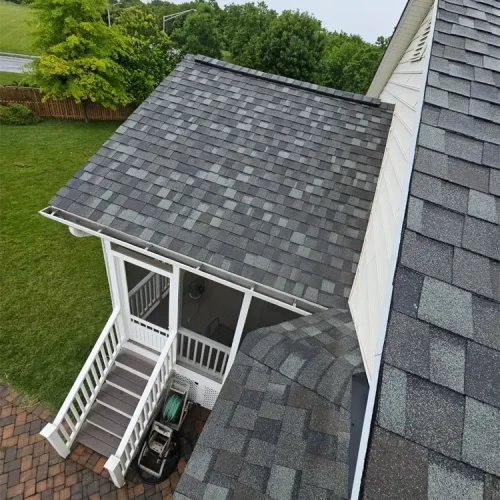
One of the best upgrades you can make is installing Class 4 impact-resistant shingles. These shingles undergo rigorous laboratory testing (UL 2218) where steel balls are dropped from extreme heights to simulate heavy hail and debris impacts. Class 4 impact-resistant shingles can reduce wind and hail damage claims by up to 50%, making them an incredibly smart investment for Florida homeowners.
We also highly recommend building to the voluntary FORTIFIED Roof standard. Developed by the Insurance Institute for Business & Home Safety (IBHS), this construction method uses enhanced fastening patterns, sealed roof decks, and reinforced starter strips to keep your roof intact during winds up to 130 mph.
Benefits of Impact-Resistant Materials
Upgrading to high-performance materials provides a secondary line of defense when your primary roofing material is put to the test.
By replacing traditional felt underlayment with high-performance synthetic underlayment, we create an incredibly durable, secondary water barrier. Synthetic underlayment is highly resistant to tearing, meaning that even if your shingles blow off, your roof deck remains dry.
Additionally, we install heavy-duty hurricane straps and ring-shank nails to secure your roof deck to the structural trusses, preventing wind uplift from tearing your entire roof off. Whether you prefer the classic look of asphalt shingle roofing or the extreme durability of metal roofing, we can customize a high-wind solution for your home.
Commercial and Multi-Family Considerations
Commercial and multi-family properties present unique challenges during hurricane recovery. Flat roof systems, such as modified bitumen, TPO, EPDM, and PVC, are highly susceptible to wind uplift and membrane punctures from flying debris.
For apartment complexes, HOAs, and retail centers in Wesley Chapel, a leaking roof can disrupt dozens of tenants and business owners simultaneously. We specialize in rapid-response commercial assessments, focusing on membrane seam integrity, commercial drainage systems, and secure flashing installations.
If you own or manage a commercial property, explore our specialized services for commercial roofing and multi-family roofing to ensure your investments are fully protected before the next storm makes landfall.
Frequently Asked Questions About Storm Damage
Recovering from a hurricane is a complex process. Here are direct, authoritative answers to the most common questions we receive from homeowners in Wesley Chapel, Land O’ Lakes, and Lutz.
Will homeowners insurance cover hurricane roof damage?
Yes, standard Florida homeowners insurance policies cover roof damage caused by hurricane-force winds, wind-driven rain, hail, and falling debris. However, they do not cover damage caused by rising floodwaters or storm surges. To cover flood damage, you must have a separate policy through the National Flood Insurance Program (NFIP) or a private flood insurer.
How long do I have to file a hurricane roof claim in Florida?
Under current Florida law, you have one year from the date of the storm to file an initial claim for hurricane roof damage. For supplemental claims or reopened claims, the deadline is three years from the date of the loss. We strongly advise filing your claim within 24 to 48 hours of the storm, as delays can make it harder to prove that the damage was caused directly by the hurricane rather than normal wear and tear.
Can I perform my own emergency roof tarping?
While you can physically perform your own emergency tarping, we strongly advise against it. Climbing onto a storm-damaged roof is incredibly dangerous. Post-hurricane roof structures are often structurally weakened by water saturation, shifted rafters, or loose decking that can collapse under your weight. Furthermore, improper DIY tarping can trap moisture underneath the plastic, accelerating wood rot and mold growth, and potentially giving your insurance company a reason to deny your claim due to improper mitigation.
Conclusion
When a hurricane strikes West Central Florida, your roof is your home’s first and most important line of defense. Navigating the aftermath of a major storm requires fast, decisive action — from securing emergency tarping to filing accurate insurance documentation and choosing a contractor you can trust.
At Thunder Bay Home Solutions, we combine deep Florida weather expertise with a commitment to providing customized, high-quality roofing solutions. We are fully licensed and insured, and we take pride in helping our neighbors in Wesley Chapel, Land O’ Lakes, and Lutz rebuild safely and professionally.
Do not wait for a minor leak to turn into a major headache. Contact us today to schedule your comprehensive roof inspections to speak with a local storm restoration expert. We are here to help you protect what matters most.