
Emergency Roof Repair Guide for Leaky Situations
Identifying a True Emergency Roof Repair Situation
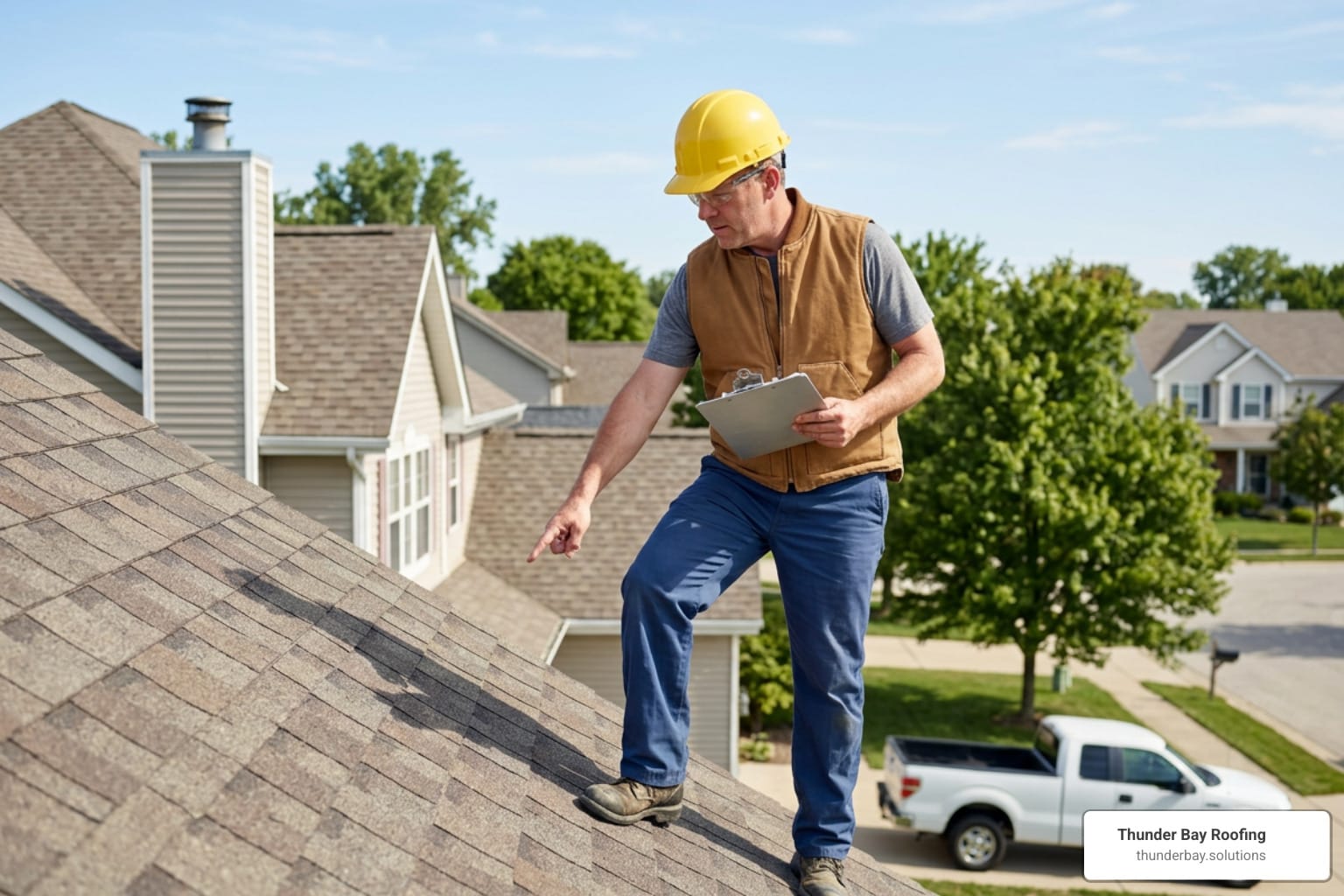
When your home is under threat from the elements, securing expert roofing services is the first step toward recovery. Not every leak is a midnight emergency, but knowing the difference can save your home from catastrophe. A true roofing emergency is defined by active, uncontrolled damage that threatens the safety of the occupants or the structural integrity of the building. If you are facing a crisis, contact our team at 813-278-7007 for rapid response. If you are experiencing any of the following, you need to seek emergency roof repair immediately.
Active and Severe Leaks
If water is streaming into your living space, it is a critical emergency. This isn’t just a damp spot on the drywall; it’s water that can saturate insulation, ruin ceilings, and create electrical fires if it reaches light fixtures or outlets. According to Angi’s guide on roof emergencies, signs of serious damage include brown ceiling spots larger than an orange or visible light shining through roof boards in your attic. In Florida, sudden tropical downpours can turn a minor crack into a major flood in minutes, making immediate containment essential.
Structural Sagging
If you notice your roofline dipping or bowing inward, the structural decking or rafters have likely been compromised. This is often caused by heavy water saturation or the impact of a fallen tree. Structural sagging is a precursor to a roof collapse and requires you to evacuate the area and call for professional roof leak detection and assessment immediately. A sagging roof indicates that the load-bearing components are failing, which is a life-safety issue that cannot wait until morning.
Major Storm or Impact Damage
In West Central Florida, we frequently deal with high-velocity winds that can strip away large sections of shingles, exposing the underlayment or even the plywood deck. When the “bones” of your roof are exposed to the elements, your home has zero protection against the next rain cloud. Similarly, fire damage or a tree branch puncturing the roof creates an immediate entry point for water, pests, and debris. For residents needing roof repairs in Land O’ Lakes, FL, these situations demand rapid mobilization to prevent total interior loss. The longer the substrate is exposed, the higher the risk of mold growth and permanent wood rot.
Immediate Steps to Take During a Roofing Emergency
When the “drip, drip, drip” starts, your adrenaline will spike. Stay calm and follow this professional protocol to mitigate damage while waiting for our crew to arrive. Taking decisive action in the first hour can reduce your eventual repair costs by thousands of dollars.
1. Prioritize Safety Above All
Never climb onto a roof during a storm, in high winds, or when the surface is wet. A fall from a roof is far more expensive and permanent than any roof leak. If you suspect structural damage or see sagging, vacate the room. If water is leaking near electrical panels or light fixtures, turn off the power to those circuits at the breaker box immediately. The GAF guide to storm safety emphasizes that electrical hazards are a leading cause of secondary injury after a storm. Water is a conductor, and a ceiling leak near a ceiling fan or recessed light can lead to a lethal shock or an electrical fire.
2. Contain the Interior Damage
Your goal is to stop the water from spreading and causing secondary damage like mold or drywall failure.
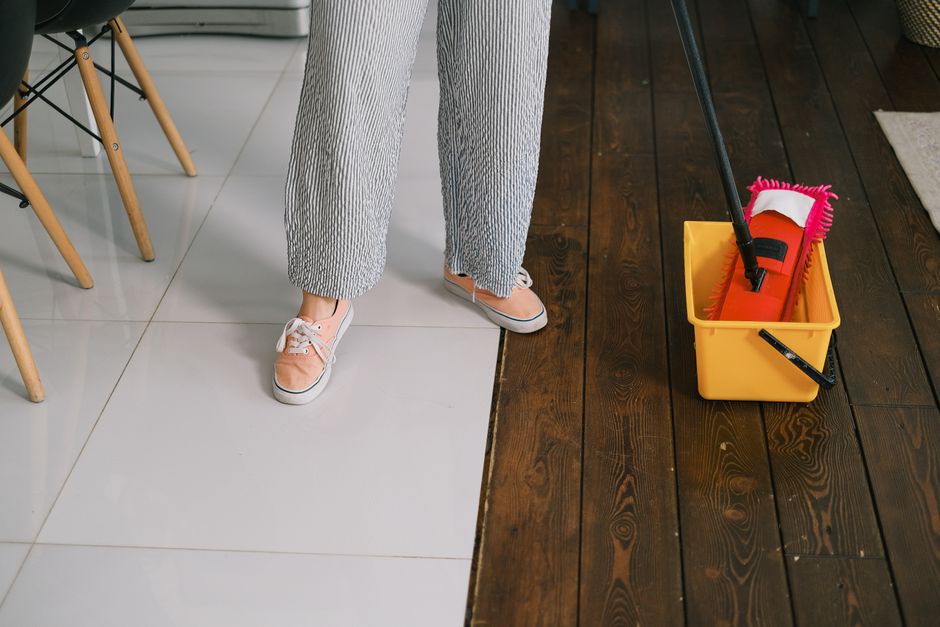
- The Bucket Method: Place a bucket or heavy-duty bin under the leak. If the water is splashing out, place an old towel at the bottom of the bucket to dampen the impact.
- The “Pinhole” Trick: If you see a bulge in your ceiling where water is pooling behind the paint, use a small screwdriver to carefully puncture the center of the bulge. This releases the hydrostatic pressure in a controlled stream into your bucket, preventing a large, heavy section of the ceiling from collapsing under the weight of the trapped water.
- Move Valuables: Move electronics, furniture, and family heirlooms to a dry room. Use plastic sheeting to cover items that cannot be moved.
3. Document the Damage for Insurance
Before you start cleaning up, grab your phone. Take clear photos and videos of the entry point on the roof (from the ground), the water dripping inside, and any damaged belongings. This documentation is the backbone of your storm damaged roofing claim. For those dealing with hurricane damage roof repair, this initial evidence is vital as adjusters may be overwhelmed and arrive days or weeks later. Detailed records ensure you receive the full compensation you are entitled to under your policy.
Temporary Emergency Roof Repair Techniques
If there is a break in the weather and you can safely access the roof (or have a professional on-site), temporary measures are used to “triage” the situation. These are not permanent fixes; they are “first aid” meant to last 1–2 weeks until a full repair can be scheduled. Attempting a permanent fix during a storm is often impossible due to moisture interfering with adhesives and sealants.
| Feature | Emergency Tarping | Shingle Patching |
|---|---|---|
| Best For | Large holes, missing sections, punctures | Small leaks, individual missing shingles |
| Durability | High (waterproof barrier) | Moderate (temporary seal) |
| Installation Time | 30–60 Minutes | 15–30 Minutes |
| Material Used | Poly tarp, 2×4 boards, sandbags | Roof cement, replacement shingles |
Professional Tarping
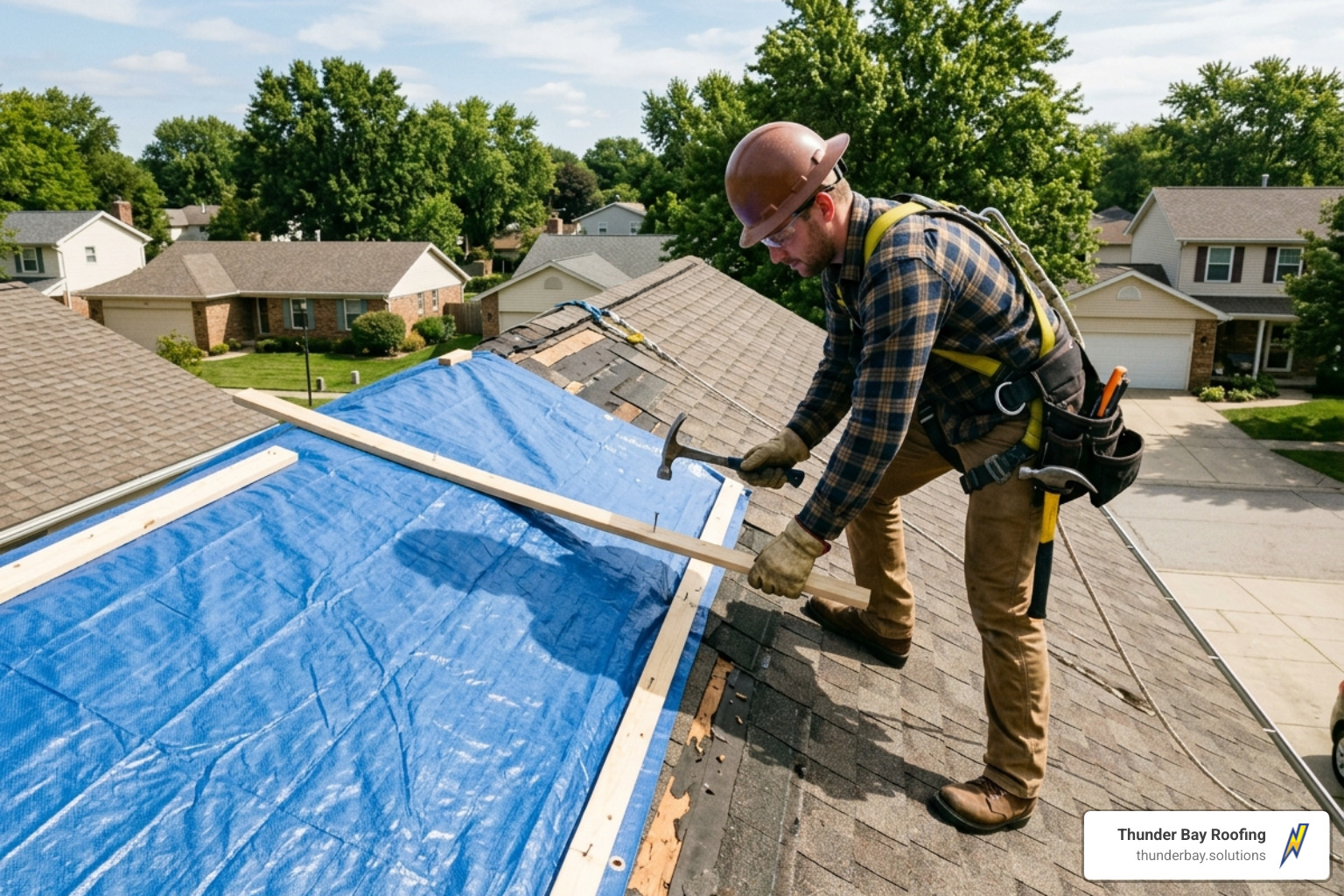
The most effective temporary fix is emergency tarping. A heavy-duty waterproof tarp should be draped over the damaged area, extending at least 3 feet past the damage in all directions. Crucially, the top edge of the tarp should go over the ridge (peak) of the roof to prevent water from running underneath the plastic. We use professional roof tarping techniques that involve securing the edges with wooden strips (furring strips) to ensure the wind doesn’t catch the tarp and tear it away. This method creates a watertight seal that can withstand subsequent rain showers while you wait for a permanent solution.
Temporary Shingle Fixes
For wind damage repair, we may use roofing cement to temporarily seal cracked shingles or “tab” down loose ones. This prevents further uplift during the next gust. Manufacturers like Owens Corning and CertainTeed recommend replacing damaged shingles as soon as possible to maintain the system’s fire rating and wind resistance. Temporary patches are useful for small leaks, but they do not restore the structural integrity of the shingle mat, which is why a full inspection is always required after the storm passes.
Navigating Insurance Claims for Emergency Roof Repair
In Florida, your homeowner’s insurance policy typically covers the cost of emergency mitigation. In fact, most policies require you to take reasonable steps (like tarping) to prevent further damage. If you fail to tarp a hole and a second rainstorm ruins your hardwood floors, the insurance company may deny the claim for the floor damage, citing negligence. Understanding your policy’s “Duties After Loss” section is critical for a successful claim.
Working with the Adjuster
When you call us for hail damage repair or a storm assessment, we provide a detailed report with moisture readings and high-resolution photos. We highly recommend having your roofing contractor present when the insurance adjuster arrives. We speak their language and can point out “hidden” damage—like bruised shingle mats or compromised flashing—that an adjuster might overlook. This collaborative approach ensures that the scope of work accurately reflects the damage sustained.
The National Roofing Contractors Association (NRCA) suggests that homeowners should always verify that their contractor is licensed and insured in their specific state. If you are in the Lutz area and need professional documentation, Lutz roofing services can provide the necessary expertise to ensure your claim is handled correctly. Additionally, contacting experts in Lutz ensures you have local support throughout the process. Remember to keep every receipt for buckets, tarps, and professional roof inspections to submit for reimbursement. Most policies will reimburse these out-of-pocket expenses as part of the mitigation coverage.
Frequently Asked Questions about Emergency Roof Repair
What is the average cost of emergency roof repair?
The cost to tarp a roof in an emergency situation averages about $450, though it can range from $300 to $750 depending on the size of the area and the steepness of the roof. This fee covers the rapid dispatch of a crew and the materials needed to stabilize your home. For permanent roof repair, costs vary based on the material and extent of the damage. You can find our Wesley Chapel service location on MapQuest for local assistance. Emergency fees are often higher than standard repairs because they require immediate mobilization, often outside of normal business hours.
When should I choose replacement over emergency roof repair?
A roof should be considered for a full roof replacement if more than 30% of the surface is damaged. Additionally, if your roof is nearing the end of its lifespan (typically 15–25 years for asphalt shingles in Florida), an emergency is often the “final straw.” Investing in a new roof provides better long-term value and meets current, more stringent Florida building codes for wind resistance. If the cost of multiple repairs exceeds 50% of the cost of a new roof, replacement is generally the more financially sound decision.
Can I perform an emergency roof repair during a storm?
Absolutely not. No reputable roofing company will put a technician on a roof during active lightning, high winds, or torrential rain. Safety is the priority. We will mobilize the moment conditions are safe. Attempting a DIY fix during a storm puts you at risk of a fatal fall or being struck by lightning. As noted in the comprehensive guide to roof emergencies, the most important thing you can do during the storm is contain the water from the inside. Once the weather clears, professional mitigation can begin safely.
Conclusion: Protecting Your Wesley Chapel Home
Emergency roof repair is the “first aid” that keeps a bad situation from becoming a total loss. In our Florida climate, the difference between a simple patch and a $50,000 mold remediation project is often how fast you act in the first 24 hours. Rapid response is the key to preserving your home’s value and your family’s health. Moisture trapped in walls can lead to toxic mold growth in as little as 48 hours, making immediate water extraction and roof stabilization vital.
While we are always ready for storm damaged roofing calls, the best emergency is the one that never happens. We recommend annual inspections to catch “granule loss” or “brittle shingles” before the next hurricane season. Proactive maintenance can identify weak spots in your flashing or sealants that would otherwise fail during a tropical storm. Whether you have a flat commercial roof repairs need or a residential pitched roof, our team at Thunder Bay Home Solutions brings 30+ years of local experience to every job. We understand the unique challenges of Florida weather and provide solutions that are built to last.
Do you have an active leak or storm damage? Don’t wait for the mold to move in.