
Beginner’s Guide to Metal Roofing
Types and Styles of Metal Roofing
Metal roofing is one of the smartest long-term investments a Florida homeowner can make — offering decades of protection against hurricanes, UV damage, and heavy rain. At Thunder Bay Home Solutions, we provide expert roofing services to help Wesley Chapel homeowners and business owners choose and install roofing systems built to handle Florida’s harshest conditions.
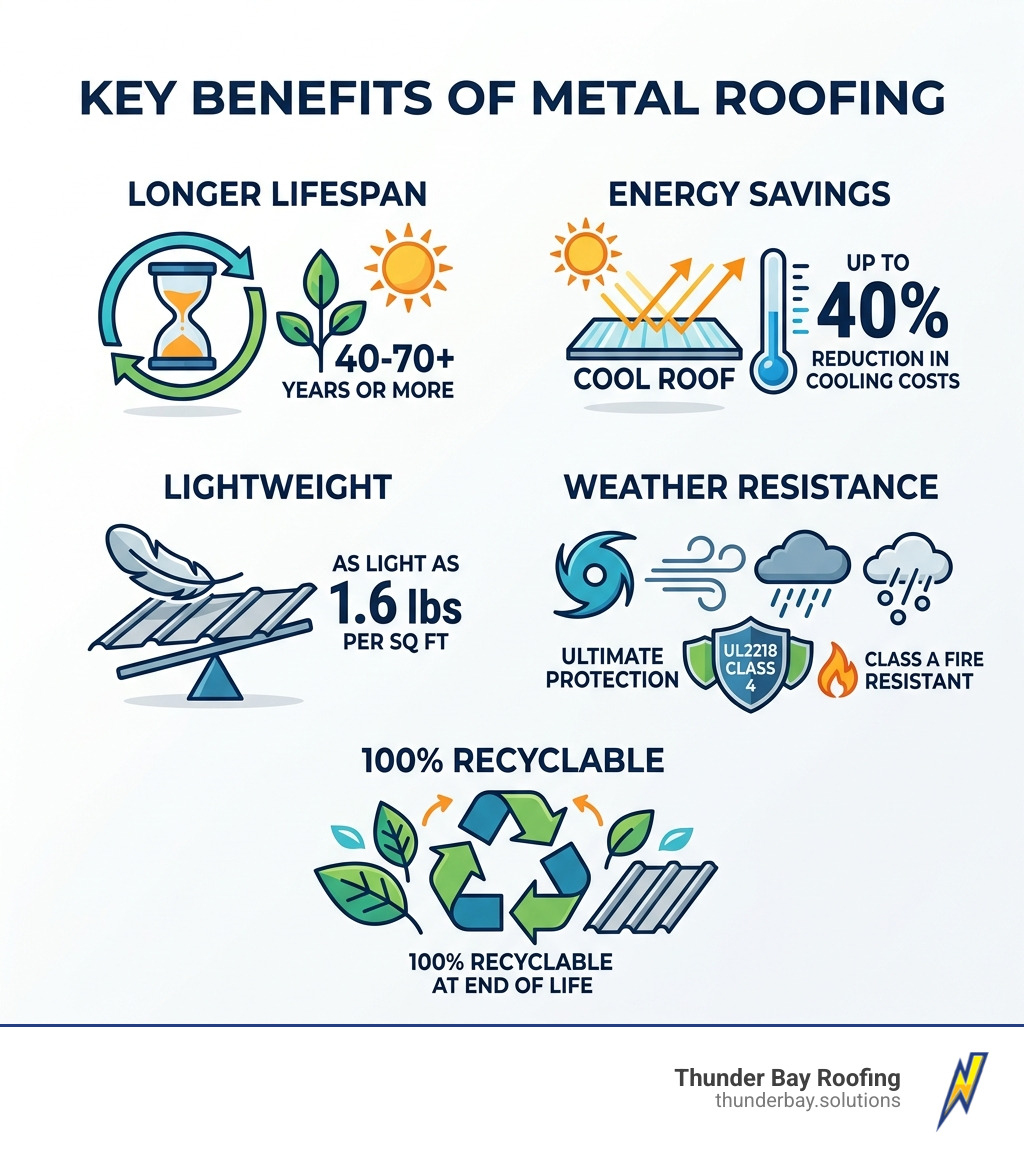
Here’s a quick overview of what makes metal roofing stand out:
| Feature | Metal Roofing |
|---|---|
| Lifespan | 40-70 years or more |
| Cooling savings | Up to 40% reduction in energy costs |
| Weight | As light as 1.6 lbs per square foot |
| Hail resistance | UL2218 Class 4 (highest rating) |
| Fire resistance | Class A (highest rating) |
| Recyclability | 100% recyclable at end of life |
| ROI at resale | 85.9% – 95.5% cost recouped |
Metal roofing is currently the second most popular roofing material in the United States — and for good reason. It outlasts asphalt shingles by two to three times, holds up against hurricane-force winds, and can actually lower your monthly energy bills.
This guide covers everything a beginner needs to know: types, costs, durability, installation, maintenance, and common myths — all explained in plain language.
I’m Tyler Wood, owner of Thunder Bay Home Solutions and a Florida-based contractor who has worked with homeowners across the Tampa Bay area to install code-compliant metal roofing systems built for the state’s extreme weather demands. Whether you’re replacing a storm-damaged roof or upgrading for long-term protection, this guide gives you the foundation to make a confident decision.
When people think of a Metal roof, they often picture the old corrugated tin roofs on barns. In April 2026, the reality is much more stylish. Modern manufacturing allows metal to mimic almost any traditional material while providing vastly superior protection.
- Standing Seam: The gold standard for residential applications. It features vertical panels with concealed fasteners, creating a sleek, contemporary look.
- Corrugated Panels: Often called “Tuff Rib” or “Classic Rib,” these use exposed fasteners. They are highly durable and often more budget-friendly, making them popular for both Commercial Roofing and residential projects.
- Metal Shingles: If you love the look of Asphalt Shingle Roofing but want the 50-year lifespan of metal, these are for you. They are often designed to mimic the architectural depth of premium GAF shingles.
- Stone-Coated Steel: These panels are coated with stone granules to provide the thick, textured look of Mediterranean tile or heavy wood shakes.
- Aluminum: This is the best choice for our friends near the coast in West Central Florida. Aluminum is naturally resistant to salt-air corrosion.
- Copper: The “forever” roof. Copper develops a beautiful green patina over time and can last over 100 years.
According to the Metal Roofing Alliance, choosing the right style is about balancing your home’s architecture with your local climate needs. Metal Roofing Made Easy involves understanding that these materials are no longer just for industrial use; they are high-performance architectural elements.
Standing Seam vs. Corrugated Panels
The main difference between these two popular styles comes down to how they are attached to your house.
- Concealed Fasteners (Standing Seam): The screws are hidden underneath the panels. This is a massive advantage because the fasteners aren’t exposed to Florida’s intense sun and rain, which significantly reduces the chance of leaks over time.
- Exposed Fasteners (Corrugated): The screws are driven through the face of the metal. While more affordable (with some panels like Tuff Rib starting around $3.01 per linear foot), these require more frequent maintenance to ensure the rubber washers on the screws haven’t dry-rotted.
Standing seam systems also handle thermal movement better. Metal expands and contracts as it heats up and cools down. Systems like Snap-lock or Mechanical lock standing seam allow the panels to “glide” without putting stress on the fasteners.
Durability and Weather Resistance in Florida
In Wesley Chapel and Lutz, we don’t just worry about rain; we worry about hurricanes. Metal roofing is engineered to meet the strictest building codes, including those in High-Velocity Hurricane Zones (HVHZ).
- Wind Resistance: Many metal systems are tested to withstand winds exceeding 140 mph. Because the panels interlock, they create a “shear strength” that actually reinforces your roof deck.
- Hail Resistance: Most metal products achieve a UL2218 Class 4 rating. This is the highest possible impact rating, meaning the roof can take a beating from large hail without cracking or allowing water through.
- Fire Resistance: Metal is non-combustible. Most systems carry a Class A fire rating, which is vital if you live in areas prone to wildfires or even just to lower your homeowners’ insurance premiums.
If your current roof has already taken a hit, you might need Hurricane Damage Roof Repair or specialized Wind Damage Roof Repair. Switching to metal can prevent these issues from recurring during the next storm season.
Financial Benefits: Cost and ROI
We’ll be the first to tell you: the initial investment for metal roofing is higher than asphalt. However, looking at the “cost per year” tells a different story. While an asphalt roof might need a Roof Replacement every 12 to 20 years in Florida’s humidity, a metal roof is a 50-year solution.
The Return on Investment (ROI) is also impressive. Homeowners typically recoup between 85.9% and 95.5% of the cost of a new metal roof in added home value.
| Material | Initial Cost | Lifespan | ROI |
|---|---|---|---|
| Asphalt Shingles | Lower | 12-20 Years | ~60% |
| Metal Roofing | Mid-High | 40-70 Years | 85% – 95% |
| Clay/Concrete Tile | High | 30-50 Years | ~70% |
A new metal roof can increase your home’s average resale value by up to 6%. For many, this makes it an “investment-grade” upgrade rather than just a repair expense.
Energy Efficiency of Metal Roofing
Did you know that metal roofing can reduce your cooling costs by up to 40%? In a state where the A/C runs almost year-round, this is a game-changer.
Metal roofs are “cool roofs” because of two scientific properties:
- Solar Reflection: Instead of absorbing the sun’s UV rays (like dark asphalt does), metal reflects them back into the atmosphere.
- Emissivity: Metal quickly gives off any heat it does absorb, cooling down much faster than shingles or tiles once the sun goes down.
This efficiency is particularly noticeable on Steep Slope Roofing, where airflow can naturally carry heat away from the surface.
Installation Considerations and Gauge Thickness

One of the coolest things about metal is its weight—or lack thereof. At just 1.6 lbs per square foot, it is significantly lighter than clay tiles (which can weigh up to 11 lbs per square foot). This lightness often allows for a roof-over installation, where the metal is installed directly over your old shingles. This saves you money on labor and keeps old shingles out of Florida landfills.
When choosing your panels, you’ll hear about “gauge.” In metal, a lower number means thicker steel:
- 24-Gauge: Premium, thick, and very strong. Often used for commercial or high-end residential standing seam.
- 26-Gauge: The industry standard for high-quality residential homes. It offers the perfect balance of strength and cost.
- 29-Gauge: Thinner and more affordable. Great for sheds or agricultural buildings, but we usually recommend 26-gauge for your main home to ensure maximum wind resistance.
Whether you have Low Slope Roofing or a standard pitch, a professional Roof Installation is key to ensuring the flashing and underlayment are perfectly watertight.
Debunking Common Metal Roofing Myths
We hear a lot of “neighborly advice” about metal roofs that simply isn’t true. Let’s set the record straight:
- “It’s noisy when it rains”: False. When installed with solid sheathing and modern underlayment, a metal roof is no louder than Asphalt Shingle Roofing. Your attic insulation does most of the soundproofing.
- “It attracts lightning”: False. Lightning hits the highest point, regardless of material. Because metal is non-combustible and a conductor, it’s actually safer because it can help dissipate the electrical charge without catching fire.
- “It will rust”: Modern panels use Galvalume (a zinc and aluminum coating) or high-performance paint systems (like HDP ‘NoFade’) that are designed to resist rust for decades, even in humid Florida air.
- “It makes the house hotter”: As we mentioned, it’s actually the opposite! Metal reflects heat, making your home easier to cool.
Maintenance and Longevity
With a 40-70 year lifespan, your metal roof might be the last one you ever buy. However, “low maintenance” doesn’t mean “no maintenance.”
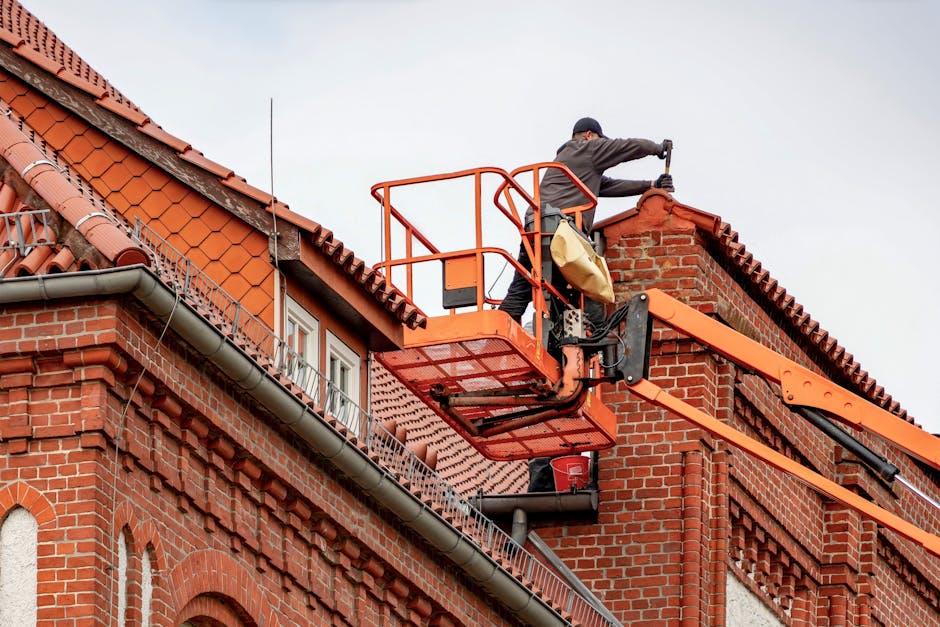
To keep your warranty valid and your home dry, we recommend a Roof Repair check-up or a professional inspection at least once a year—especially after storm season. If you are looking for Roofing in Lutz FL or Wesley Chapel, we can help you set up a routine schedule.
Maintaining Your Metal Roofing
- Debris Removal: Keep leaves, pine needles, and branches off the roof. If they sit in the valleys, they can trap moisture and eventually damage the finish.
- Gutter Cleaning: Ensure water flows freely. Backed-up gutters can cause water to “wick” up under the metal panels.
- Fastener Checks: For exposed-fastener roofs, we check to make sure the screws haven’t backed out due to thermal expansion.
- Tree Trimming: Keep branches at least 6 feet away from your roof to prevent them from scratching the paint during high winds.
- Surface Cleaning: A simple wash with mild soap and water can remove salt spray and dirt, keeping your roof looking brand new.
Frequently Asked Questions about Metal Roofing
Is a metal roof noisier than asphalt shingles?
No. In residential applications, metal roofs are installed over a solid wood deck and thick underlayment. This “sandwich” of materials absorbs sound so effectively that you won’t notice a difference in noise levels during a rainstorm compared to shingles.
Can I install a metal roof over my existing shingles?
In many cases, yes! This is called a “roof-over.” It reduces labor costs and provides an extra layer of insulation. However, we must first perform a Roof Inspection to ensure your existing roof structure is sound and that local building codes allow for a second layer.
Does a metal roof increase the risk of a lightning strike?
Not at all. Lightning is attracted to the highest point in an area, not the material. If your house is hit, the metal roof actually provides a safe path for the energy to reach the ground and will not catch fire like wood shakes or asphalt.
Conclusion
Upgrading to metal roofing is one of the best ways to protect your family and your finances. Between the 40% energy savings, the incredible wind resistance, and the fact that it can last half a century, the value is undeniable.
At Thunder Bay Home Solutions, we bring decades of Florida weather expertise to every project. We are fully licensed and insured, providing customized solutions for homeowners in Wesley Chapel, Land O’ Lakes, and Lutz. Whether you need a minor Roof Repair or a full Metal Roofing installation, we are here to help.
Don’t wait until the next hurricane season to secure your home. Contact us today for a free, no-obligation estimate. Let’s build a roof that lasts a lifetime.