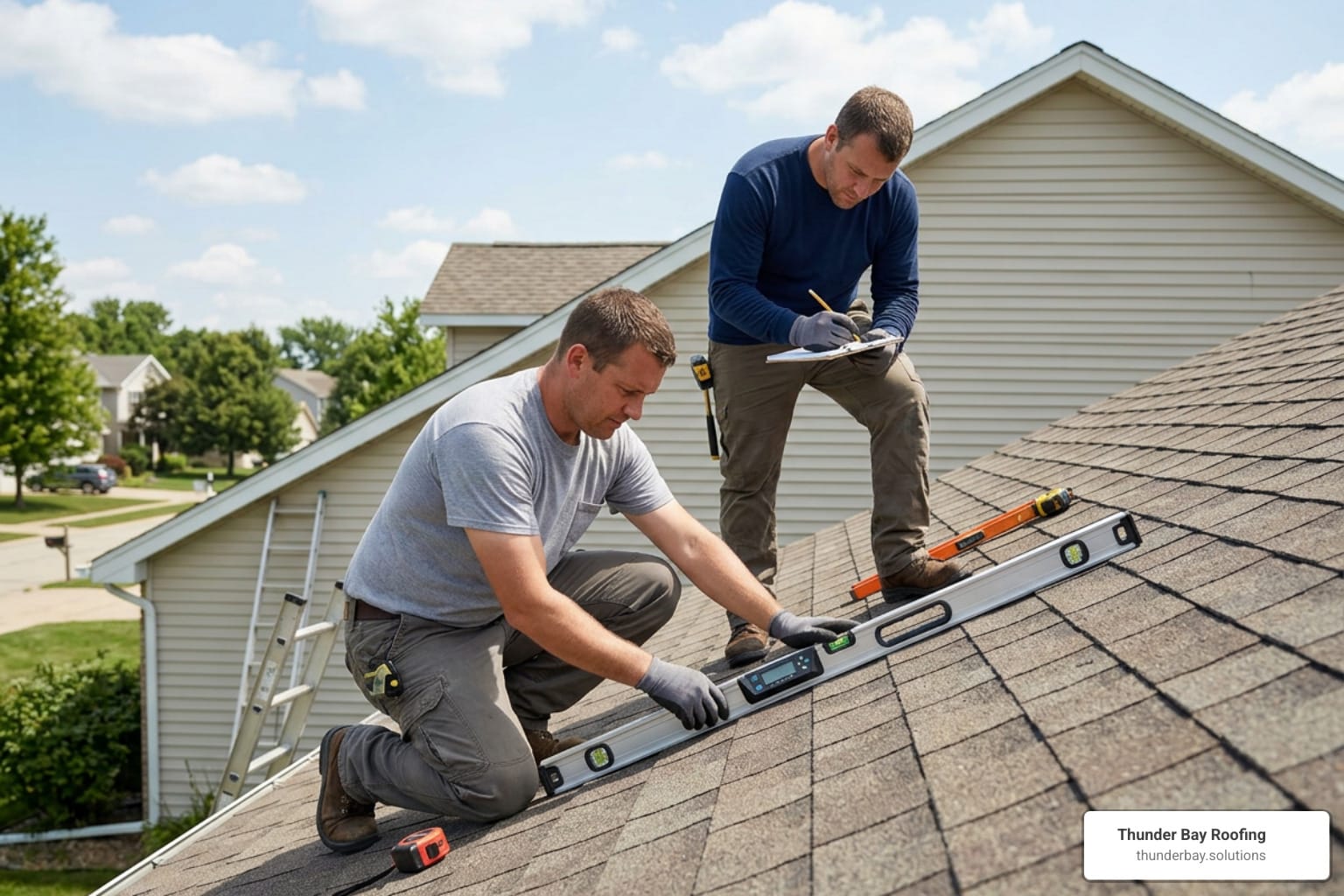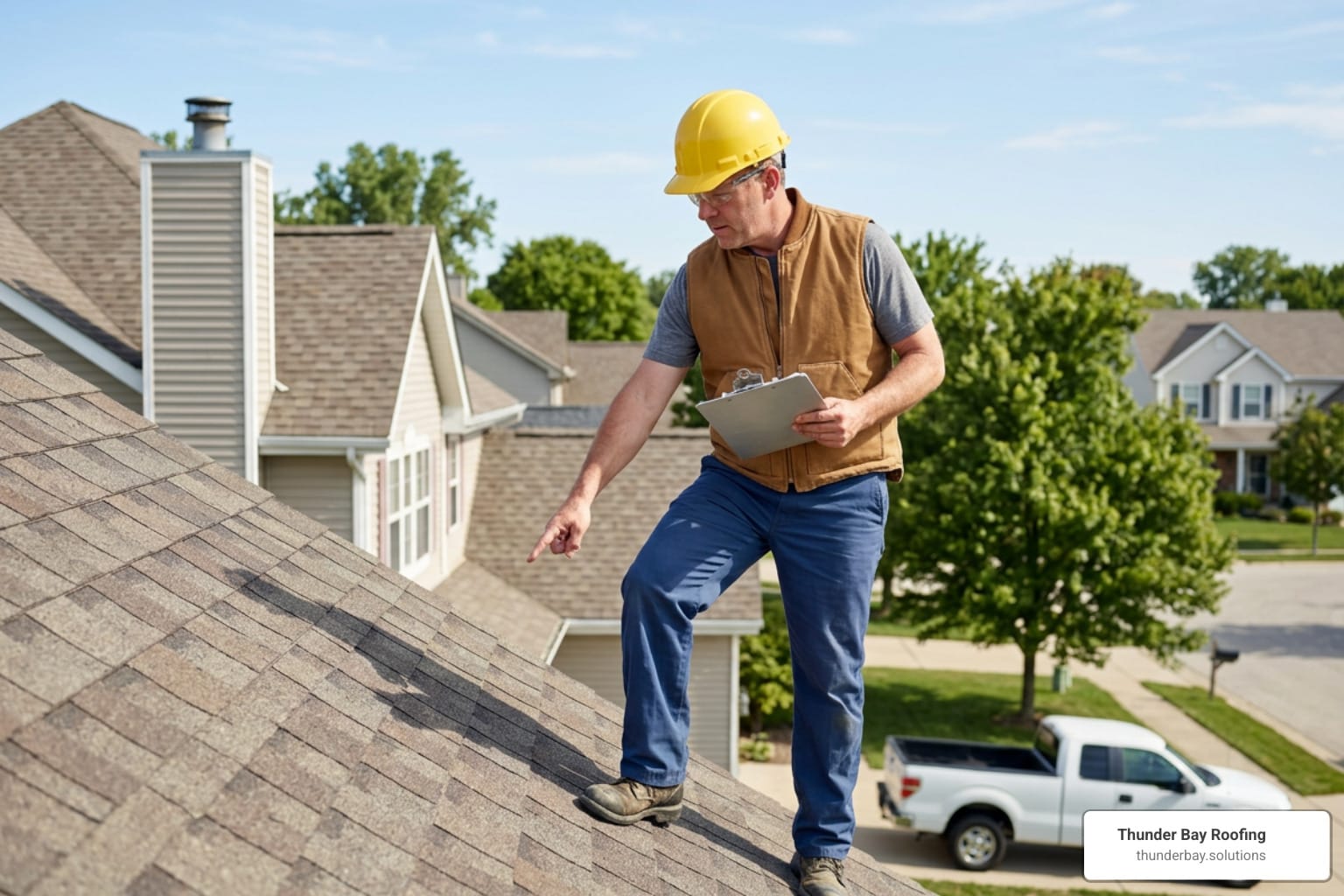

Steep Slope Roofing Systems Explained
What Is Steep Slope Roofing? A Clear Answer Before We Dive In
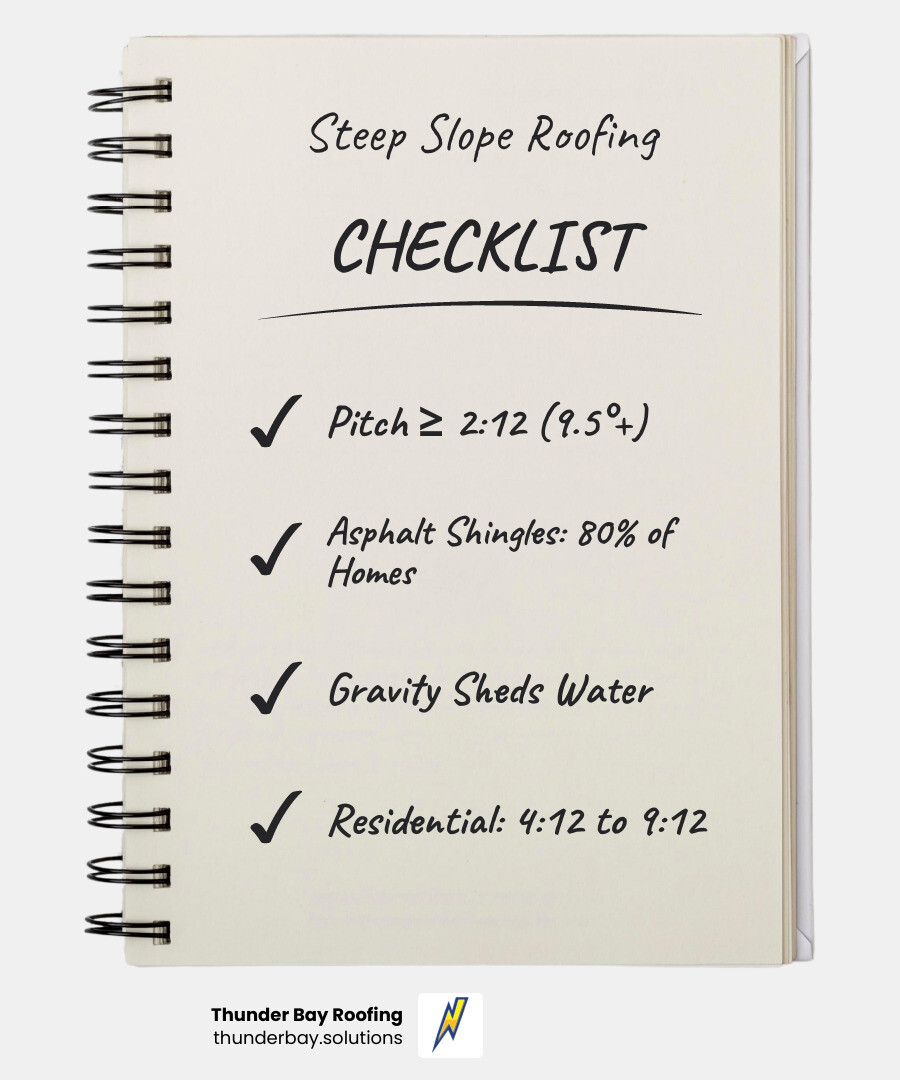
Steep slope roofing refers to any roof system installed on a pitch of 2:12 or greater — meaning the roof rises at least 2 inches for every 12 inches of horizontal distance. These systems rely on gravity to shed water rather than forming a watertight seal, which is what separates them from low-slope or “flat” roof systems.
Here is a quick-reference breakdown for the most common questions:
| Question | Answer |
|---|---|
| What pitch is “steep slope”? | 2:12 or greater (≥ 9.5 degrees) |
| NRCA definition | Slopes exceeding 3:12 |
| OSHA definition | Slopes greater than 4:12 (18.5°+) |
| Most common material | Asphalt shingles (~80% of residential homes) |
| How does it shed water? | Gravity-based (hydrokinetic), not waterproof |
| Typical residential pitch range | 4:12 to 9:12 |
For Florida homeowners seeking reliable roofing services in Wesley Chapel and the surrounding Tampa Bay area, steep slope roofs face a unique set of demands — from hurricane-force winds and torrential rain to relentless UV exposure. Understanding how these systems work is the first step toward protecting your property the right way.
The good news? Once you understand the basics of steep slope design, material selection, and installation requirements, making smart decisions about your roof becomes much more straightforward.
I’m Tyler Wood, owner of Thunder Bay Home Solutions in Wesley Chapel, Florida, and I’ve built my company around the specific demands of Florida’s climate — including the unique challenges that steep slope roofing presents in high-wind, high-humidity environments. In this guide, I’ll walk you through everything you need to know about steep slope roofing systems, from pitch definitions and material options to installation standards and long-term maintenance.
Understanding Pitch: How Steep Slope Roofs Are Measured
To understand steep slope roofing, we first have to talk about “pitch” or “slope.” While these terms are often used interchangeably, they describe the same geometric concept: the steepness of your roof.
The “Rise Over Run” Formula
In the roofing world, we measure slope as a ratio of vertical rise to horizontal run. The “run” is always 12 inches. If a roof rises 6 inches for every 12 inches it moves forward, it is a 6:12 pitch.
- Low Slope: Generally defined as any pitch less than 2:12.
- Steep Slope: Any pitch 2:12 or greater.
- The Residential Sweet Spot: Most homes in Wesley Chapel, FL fall between 4:12 and 9:12.
Industry Definitions (NRCA vs. OSHA)
It is important to note that different organizations have slightly different thresholds for what they consider “steep.”
- The National Roofing Contractors Association (NRCA) defines steep-slope roof systems as those installed on slopes exceeding 3:12.
- OSHA (Occupational Safety and Health Administration) sets the bar higher for safety reasons, defining a steep-slope roof as anything greater than 4:12. Once you hit that 4:12 mark, specialized fall protection becomes a legal and life-saving requirement.
Steep-Slope vs. Low-Slope: Key Differences
The difference between these two systems isn’t just about the angle; it’s about how they handle water.
Hydrokinetic vs. Hydrostatic
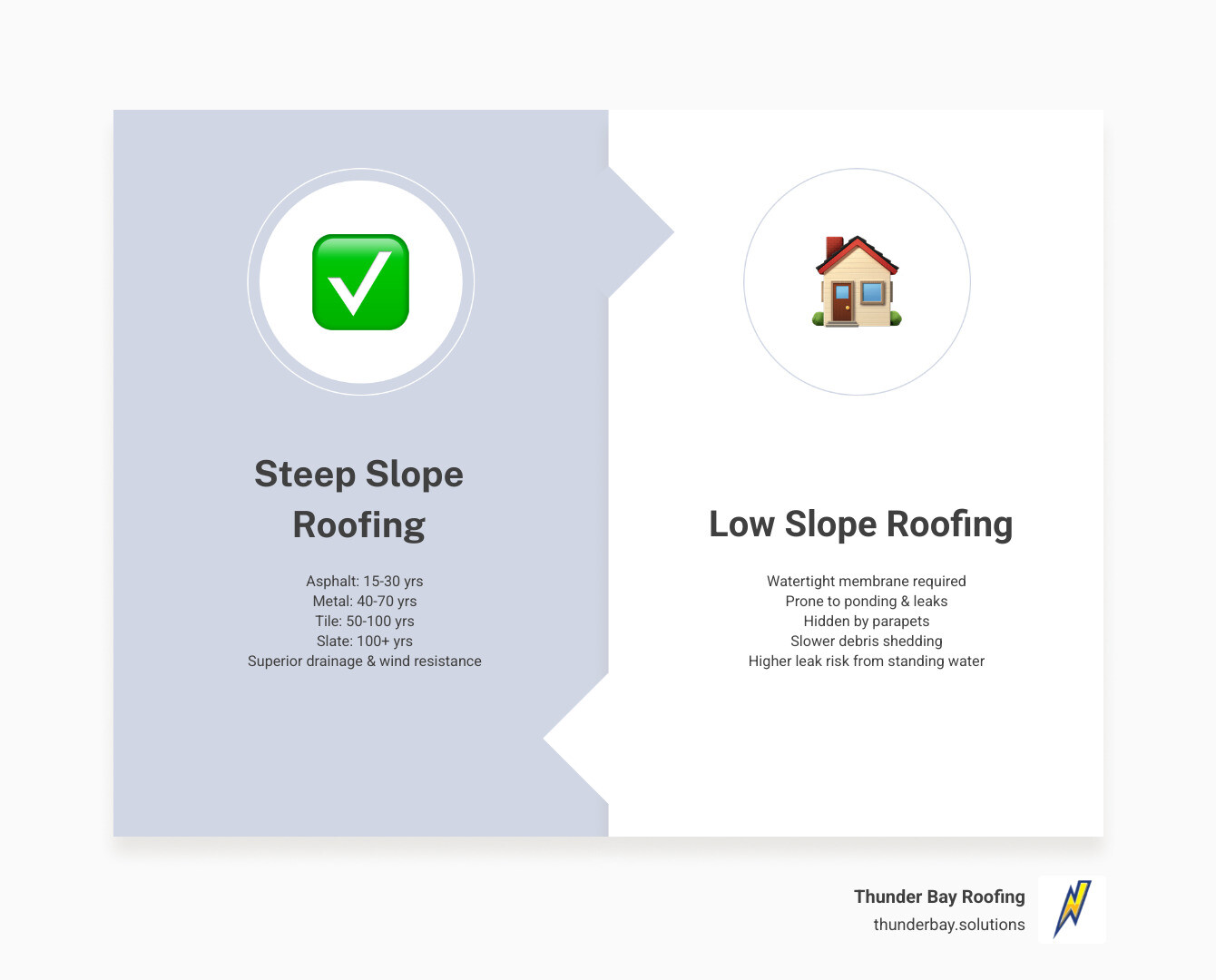
Steep slope roofing is “hydrokinetic.” This means it is a water-shedding system. It relies on the overlapping of materials (like shingles or tiles) and the force of gravity to move water down into the gutters. It is not designed to be submerged.
Conversely, low-slope roofs are “hydrostatic.” Because water moves slowly on a flat surface, these roofs must be completely watertight (like a pool liner) to prevent “ponding” water from seeping into the structure.
Practical Implications
- Maintenance: Steep slopes shed debris and water quickly, which generally leads to fewer leaks from standing water. However, they are much harder (and more dangerous) to walk on for roof inspections.
- Aesthetics: Steep slopes are highly visible from the street, making the choice of material a major factor in your home’s curb appeal. Low-slope roofs are often hidden behind parapet walls.
Common Materials for Steep Slope Roofing
Choosing the right material is a balance of budget, local climate, and architectural style. In West Central Florida, we have to be particularly picky because of the heat and wind.
Asphalt Shingles
Used on roughly 80% of residential homes, asphalt shingle roofing is the king of the market. Leading manufacturers like GAF and Owens Corning offer high-performance shingles specifically engineered for high-wind zones.
- Pros: Cost-effective, easy to install, and available in “architectural” styles that mimic wood or slate.
- Cons: Shorter lifespan (15–30 years) and susceptible to missing shingle replacement after high-wind events.
Metal Roofing
Metal roofing is rapidly growing in popularity in Florida.
- Pros: Incredible longevity (40–70 years), excellent wind resistance, and highly reflective (which lowers cooling costs).
- Cons: Higher upfront cost and requires specialized installers.
Tile (Clay and Concrete)
A staple of Florida architecture, tile roofs are built to last.
- Pros: Can last 50–100 years and are naturally fire-resistant.
- Cons: Extremely heavy; your home’s structure must be able to support the weight.
Slate and Synthetic Composites
Natural slate is the “forever roof,” lasting over a century, but it is rare in Florida due to weight and cost. Many homeowners now opt for synthetic composites that offer the look of slate or cedar shakes without the maintenance headaches.
Benefits and Drawbacks of Steep Slope Roofs
The Benefits
- Superior Drainage: Gravity is your best friend. Water, snow, and debris don’t hang around, which significantly reduces the risk of leaks compared to flat systems.
- Energy Efficiency: Steep roofs often create larger attic spaces. When paired with proper ventilation, this attic acts as a thermal buffer, potentially lowering building energy costs by up to 50% according to some industry data.
- Longevity: Because they don’t deal with ponding water, the materials on a steep slope typically reach their full manufacturer-rated lifespan.
- Wind Performance: Interestingly, steep-slope roofs can offer increased resistance to high winds because the air flows over the surface with less uplift pressure than flat surfaces—provided they are fastened correctly.
The Drawbacks
- Installation Risk: The angle makes the work significantly more dangerous.
- Cost of Labor: Due to the need for scaffolding, harnesses, and slower movement, labor costs are typically 20–40% higher than standard pitches.
- Accessibility: Cleaning gutters or inspecting a chimney becomes a professional-only job.
Proper Installation: The Anatomy of a Steep Slope System
A roof is only as good as its weakest layer. For a new roof installation, we follow a strict multi-layer approach.
The Decking (Substrate)
The foundation of the roof. While many older homes used OSB (Oriented Strand Board), the latest NRCA guidelines (2025) have moved toward recommending thicker plywood (5/8″ to 3/4″) for better fastener retention and moisture resistance.
Underlayment: Your Second Line of Defense
On a steep slope roofing system, the underlayment is vital.
- Synthetic Underlayment: Now the industry standard, these are more durable than traditional felt.
- Ice and Water Shield: In Florida, we use these self-adhering membranes in “critical zones” like valleys, eaves, and around penetrations to prevent leaks from wind-driven rain.
Flashing and Valleys
Flashing is the metal “armor” placed around chimneys, skylights, and where roof planes meet.
- Open Valleys: Use a metal liner to quickly channel water.
- Closed Valleys: Shingles are woven or cut to cover the valley.
- Pro Tip: For the best protection in Land O’ Lakes, FL, we always recommend metal-lined valleys.
Safety Measures and OSHA Requirements
Safety isn’t just a suggestion; it’s a legal requirement. Because falls are the leading cause of construction fatalities—accounting for nearly 40% of deaths—we take OSHA standards seriously.
Fall Protection Systems
For any roof with a pitch greater than 4:12, workers must use:
- Personal Fall Arrest Systems (PFAS): Full-body harnesses connected to 5,000-pound rated anchors.
- Guardrails or Safety Nets: Used in specific commercial or high-risk residential applications.
- Roof Jacks: These are metal brackets that hold “walk boards,” providing a flat surface for contractors to stand on while working.

Weather Challenges: Wind, Rain, and Heat
In Wesley Chapel and Lutz, we don’t worry about snow, but we do worry about “The Big One.”
High Winds and Hurricanes
Steep slope roofs are susceptible to “uplift.” If wind gets under the edge of a shingle, it can peel it back like a banana. This is why we use specialized wind damage repair techniques, including six-nail patterns and high-wind rated starter shingles. For homes near the coast, we often recommend storm damaged roofing upgrades like taped deck seams.
The Florida Sun
UV rays degrade the adhesives in asphalt shingles. A “cool roof” with high solar reflectance is essential. Materials rated by the Cool Roof Rating Council (CRRC) can significantly extend the life of your steep slope roofing while keeping your AC bill manageable.
Building Codes and Standards (IBC, IRC, NRCA)
Your roof must comply with the Florida Building Code, which is one of the strictest in the nation.
- International Building Code (IBC): Sets the baseline for commercial structures.
- International Residential Code (IRC): Governs one- and two-family dwellings.
- NRCA Manual: This is the “roofer’s bible.” The 2025 updates emphasize the transition away from OSB and toward more robust synthetic underlayment standards (ASTM D8257).
Maintenance for Longevity
A steep slope roof is “low maintenance,” not “no maintenance.”
- Gutter Cleaning: Twice a year. If gutters clog, water backs up under the eaves, causing fascia rot.
- Annual Inspections: Look for cracked tiles, missing shingles, or rusted flashing.
- Algae Treatment: In our humid climate, Gloeocapsa Magma (the black streaks on roofs) can eat away at shingle granules. Periodic professional cleaning can prevent this.
Cost Factors: What Influences the Price?
A roof replacement on a steep slope typically costs 20% to 40% more than a standard roof. Why?
- Pitch Multiplier: The steeper the roof, the higher the “difficulty” charge.
- Material Weight: Heavier materials (tile/slate) require more labor and sometimes structural reinforcement.
- Safety Equipment: Setting up scaffolding and anchors takes time.
- Waste Factor: Complex roofs with many gables and valleys result in more material waste.
Metal Roofing Profiles for Steep Slopes
If you are considering metal, the “profile” (how the panels lock together) matters.
- Snap-Lock: Great for 3:12 to 7:12 pitches. They are cost-effective and look clean.
- Mechanical Seam: Best for very steep slopes or areas with extreme weather. The panels are crimped together with a machine, creating a nearly bulletproof seal.
- Hydrokinetic Design: These are Steep Slope Roofing systems—they are designed to shed water, not hold it.
Common Installation Mistakes to Avoid
Even the best materials fail if installed poorly. Watch out for these:
- High Nailing: If nails are placed too high on the shingle, they miss the “common bond” area, making the shingle much more likely to blow off in a storm.
- Improper Overhang: Starter shingles should only overhang the drip edge by about 3/4 of an inch. Too much, and they’ll curl or catch the wind.
- Ignoring Ventilation: A steep roof with a “hot attic” will cook the shingles from the inside out, voiding your warranty.
Energy Efficiency and Ventilation
Steep slope roofing offers a unique opportunity for “passive cooling.”
- Intake and Exhaust: You need a balanced system. Air comes in through the soffits (intake) and exits through a ridge vent (exhaust) at the peak.
- Thermal Buffer: The large volume of air in a steep attic prevents heat from transferring directly into your living space.
Warranties and Certifications
When hiring a specialist for residential roofing, look for:
- Manufacturer Designations: (e.g., GAF Master Elite or Owens Corning Platinum Preferred). These contractors can offer extended “bumper-to-bumper” warranties.
- Workmanship Warranty: This covers the installation itself. At Thunder Bay Home Solutions, we stand behind our labor because we know the Wesley Chapel climate demands perfection.
Expert Final Thoughts on Steep Slope Roofing
Steep slope roofing is a marriage of architectural beauty and engineering logic. By using gravity to its advantage, it provides one of the most reliable ways to protect a home. However, the complexity of the installation means there is zero room for error.
Whether you need a simple roof repair or a full storm damage response, choosing a team that understands the local Florida codes and the physics of a steep pitch is non-negotiable.
If you’re in Wesley Chapel, Land O’ Lakes, or Lutz and have questions about your roof’s pitch or condition, we’re here to help you navigate the heights of steep slope roofing with safety and expertise.
Contact Thunder Bay Home Solutions Today 7140 Quail Hollow Blvd. Wesley Chapel, FL 33544 Serving Wesley Chapel, Lutz, Land O’ Lakes, and West Central Florida.