
Wind Damage Roofing 101
When the Wind Stops, the Real Damage Often Hasn’t Started Yet
As a leading provider of roofing services in Wesley Chapel, we know that roof repair wind damage is one of the most urgent home repairs Florida property owners face — and one of the most misunderstood.
Here is what you need to do right away:
- Stay off the roof — inspect safely from the ground using binoculars
- Document everything — take photos and videos before any cleanup or repairs
- Apply temporary protection — cover exposed areas with a tarp to stop water intrusion
- Call a licensed roofer first — get a professional assessment before contacting your insurance company
- File your insurance claim promptly — provide photos, dates, and a contractor’s written report
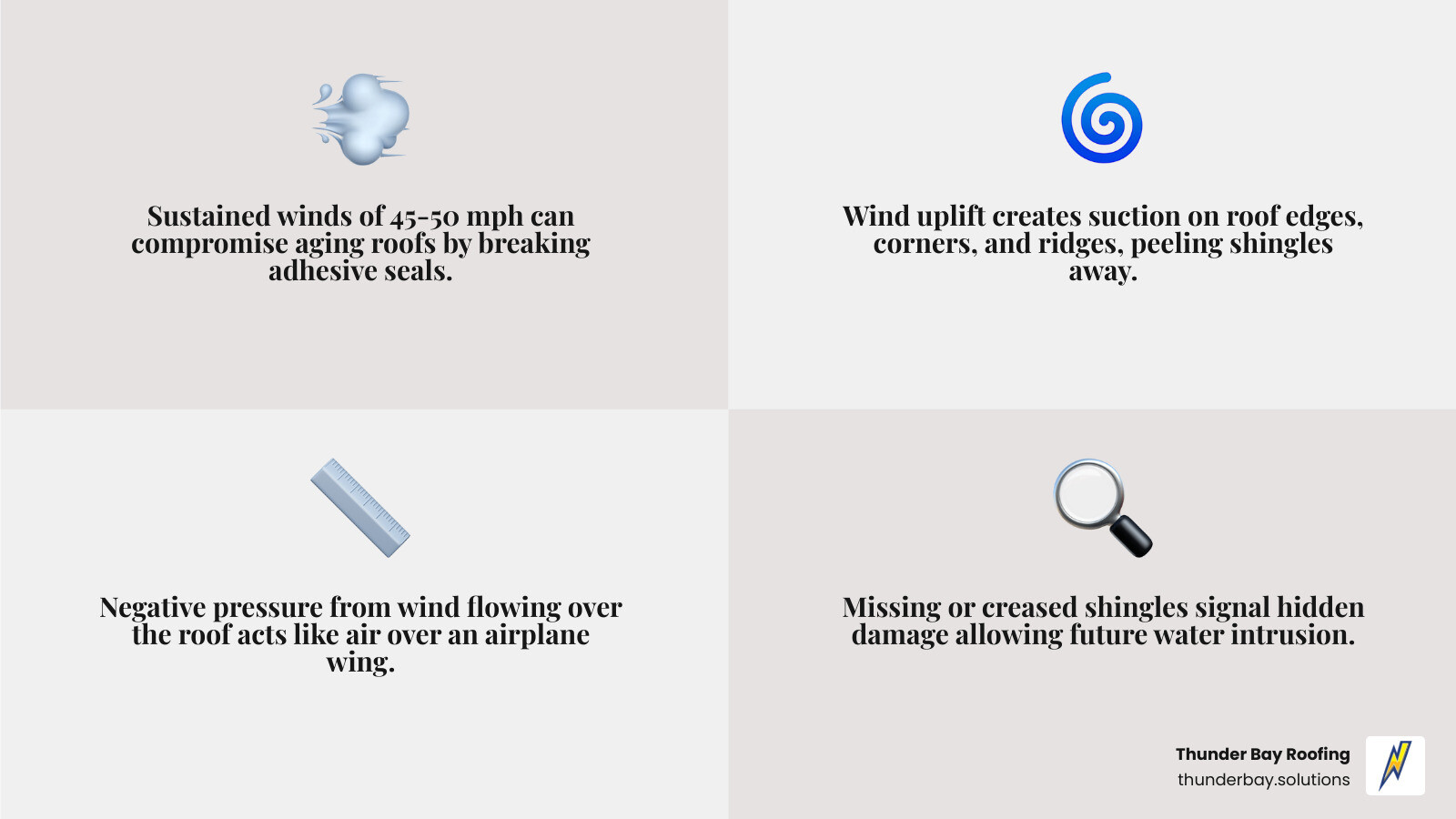
Wind damage does not always look dramatic from the driveway. A few missing shingles are an obvious red flag, but the more dangerous damage hides beneath the surface — broken adhesive seals, lifted flashing, and creased shingles that look fine but let water in during the next rainstorm. Sustained winds as low as 45–50 mph can start compromising an aging or improperly installed roof, and Florida’s storms regularly blow well past that threshold.
Whether you are dealing with a handful of blown-off shingles or widespread structural exposure after a major storm, the steps you take in the first 24–72 hours determine how much damage you prevent — and how much your insurance pays.
As a Wesley Chapel homeowner or business owner, you need a roofing partner who understands Florida’s specific weather threats: hurricane-force winds, heavy tropical rain, and relentless UV exposure. Thunder Bay Home Solutions was built specifically for that environment, serving clients throughout Lutz and the surrounding areas.
I’m Tyler Wood, owner of Thunder Bay Home Solutions in Wesley Chapel, Florida — and roof repair wind damage is one of the core challenges I built this company to solve, drawing on years of hands-on experience protecting Tampa Bay area properties from Florida’s most punishing weather conditions.
Identifying the Signs of Wind Damage to a Roof
Identifying roof repair wind damage requires understanding that wind is a dynamic force. It doesn’t just blow against your house; it flows over it like air over an airplane wing. This creates a phenomenon known as “wind uplift,” where high-velocity air creates a suction effect on the leeward side and corners of your roof.
When wind hits the edge of your roof, it creates negative pressure that tries to peel the shingles or metal panels away from the decking. The most vulnerable areas are always the edges, corners, and ridge lines. If you notice shingles scattered in your yard or hanging from the gutters, the wind has already overcome the mechanical fasteners and adhesive bonds of your roofing system.
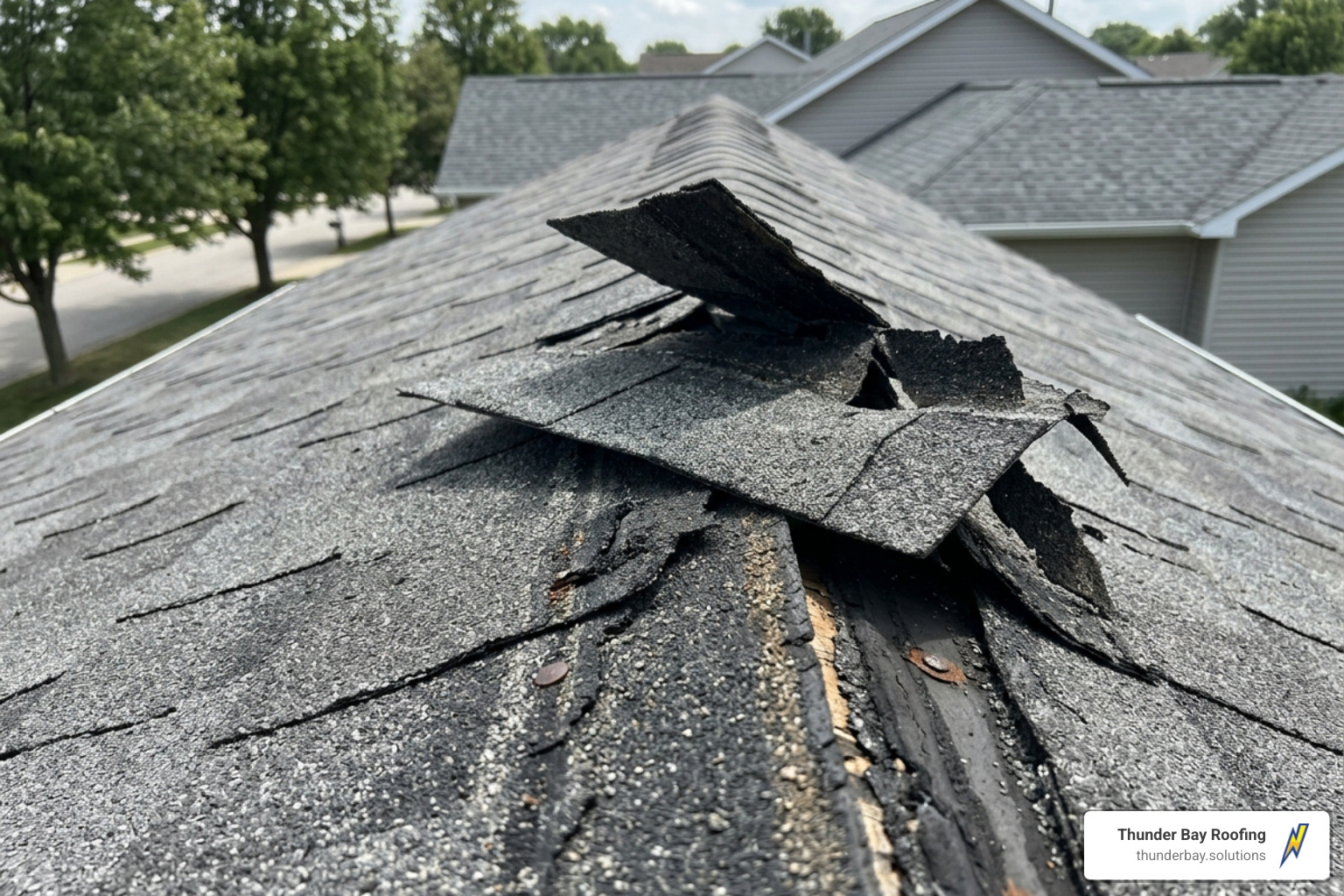
Common signs of wind damage include:
- Missing Shingles: The most obvious sign, leaving the underlayment or even the wood decking exposed to the elements.
- Creased Shingles: This happens when wind lifts a shingle but doesn’t tear it off. The shingle folds back, creating a permanent crease where granules are lost and the fiberglass mat is fractured.
- Granule Loss: High winds can scour the surface of your shingles, blowing protective granules into your gutters. Without granules, shingles lose their UV protection and become brittle.
If you suspect your home has been hit by a severe gust, scheduling professional roof inspections is the only way to ensure hidden structural issues aren’t ignored. For a deeper look at the physics of how storms affect buildings, you can explore scientific research on wind uplift mechanics.
Common Indicators of Wind Uplift
Wind uplift often leaves a trail of “soft” signs that many homeowners miss. Shingle curling or lifted edges are classic indicators that the wind has compromised the shingle’s ability to stay flat. Once an edge is lifted, it acts like a sail, catching even more wind in the next storm.
You should also look closely at your loose flashing. Flashing is the metal material used around chimneys, vents, and roof valleys. Because wind creates turbulence around these protrusions, it can easily pry the metal away from the roof surface, creating a direct path for water. If you see metal peeling back or gaps where there used to be sealant, you likely need missing shingle replacement and flashing reinforcement.
Hidden Damage: Broken Adhesive Seals
The most “dangerous” type of roof repair wind damage is the one you can’t see from the sidewalk. Modern asphalt shingles use sealant strips—a line of thermal bitumen that bonds shingles together during the summer heat.
Strong winds can break these seals without blowing the shingle off. The shingle lifts, the seal snaps, and then the shingle settles back down into place. It looks perfectly fine, but it is no longer water-tight. These broken seals lead to hidden leaks and moisture intrusion that can rot your roof deck from the inside out. If your roof “looks okay” but you’ve recently experienced high winds, we recommend professional roof leak detection to verify the integrity of your sealant bonds.
Immediate Steps for Roof Repair Wind Damage
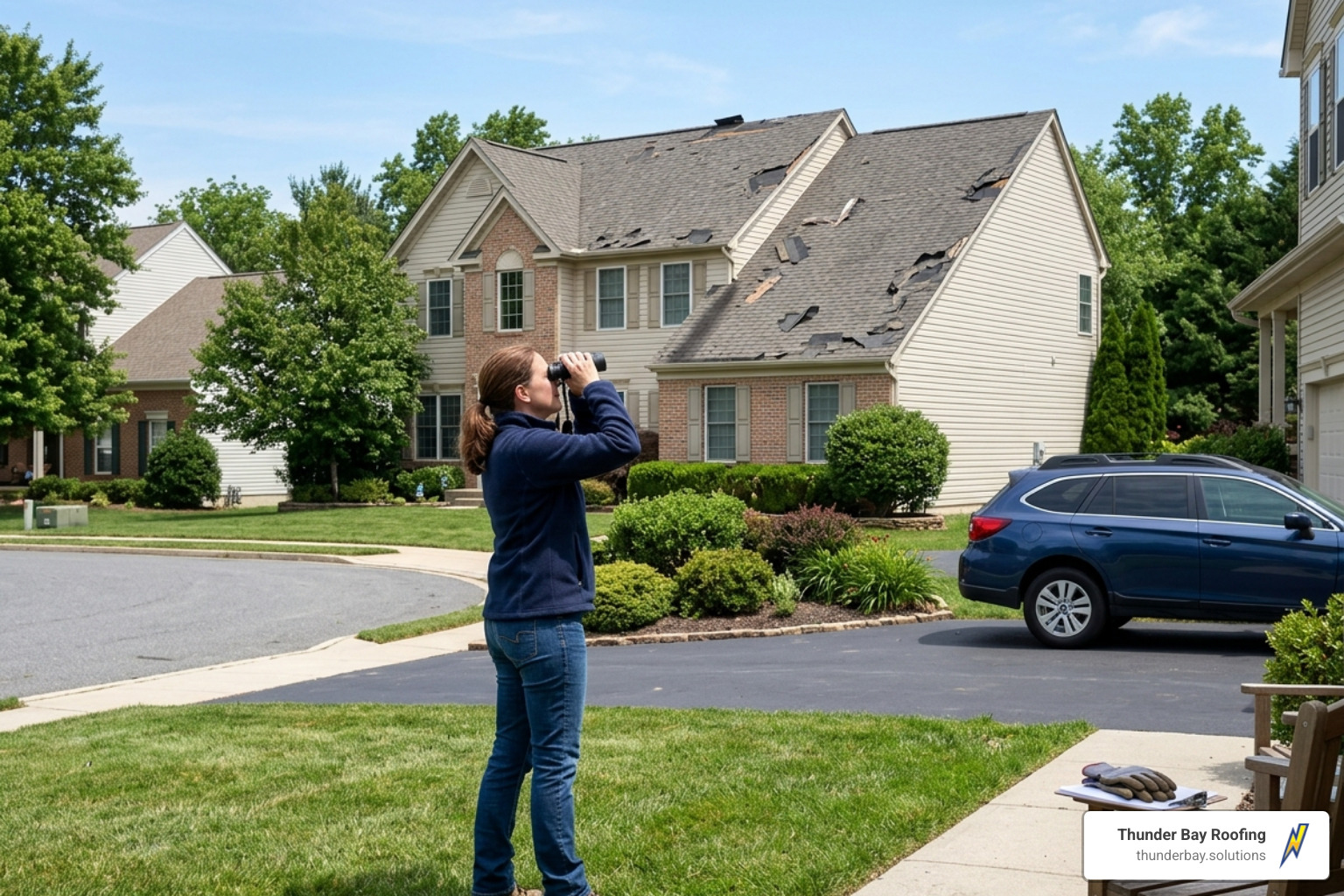
When a storm passes through Wesley Chapel or Land O’ Lakes, your first priority is safety. Never attempt to climb onto a wet or wind-damaged roof yourself. Structural damage might not be visible, and the risk of a fall is never worth the price of a DIY inspection.
Safety and Ground-Level Inspection
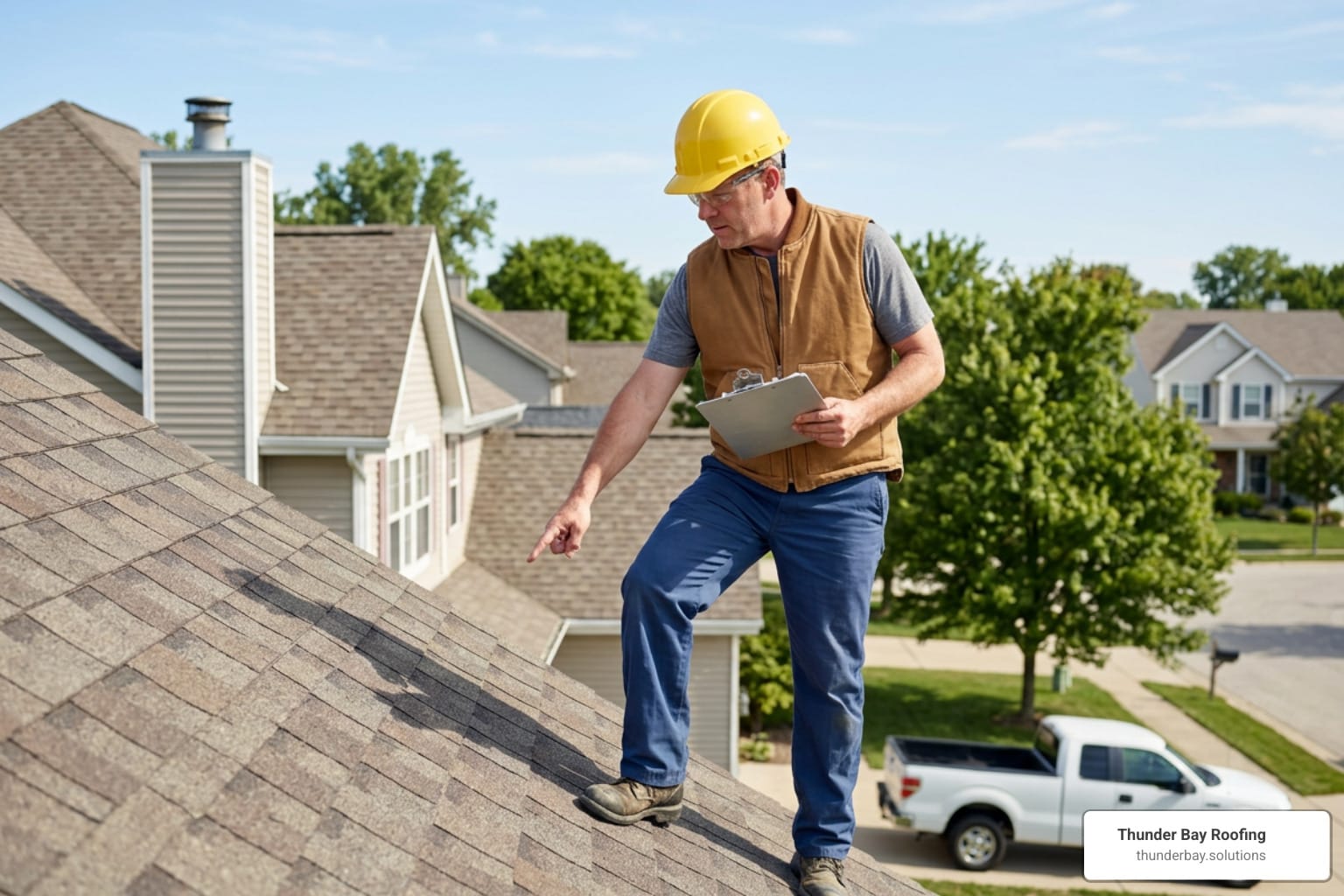
Start your assessment from the ground. Use a pair of binoculars to scan the roofline for any distorted shingles, gaps in the ridge cap, or bent metal. Walk the perimeter of your home and look for:
- Debris: Tree branches, pieces of metal, or shingle fragments in the yard.
- Gutters: Check for excessive granule buildup or detached gutter sections.
- Attic Check: Go into your attic with a flashlight. Look for “daylight” peeking through the roof deck or water stains on the rafters and insulation.
If you spot any of these signs, it is time to call in our residential roofing services team. For a detailed walkthrough of this process, see this 6 Step Guide to Inspect & Repair Wind Damage.
Emergency Mitigation and Tarping
If you have an active leak or a large section of missing shingles, you must act fast to prevent interior mold and structural rot. Most insurance policies actually require you to take reasonable steps to prevent further damage.
This usually involves emergency tarping. A professional tarping job uses heavy-duty, UV-resistant tarps secured with wooden “furring strips” to create a temporary weather-tight seal. Do not simply throw a blue tarp over the peak and weigh it down with bricks; this will likely blow off and could damage your shingles further. For immediate protection, contact us for emergency tarping or storm damaged roofing assistance.
Navigating the Insurance Claim Process for Wind Damage
Filing an insurance claim for roof repair wind damage can feel like a full-time job. In April 2026, Florida’s insurance landscape remains complex, and having the right documentation is the difference between a full replacement and a denied claim.
Documenting Damage for Maximum Payout
The quality of your documentation determines your payout. We recommend keeping a dated log of the storm event, including local news reports or weather data showing the wind speeds in your specific neighborhood.
Take high-resolution photos of the damage from multiple angles before any repairs begin. When the insurance adjuster arrives, it is highly beneficial to have your roofing contractor present. We can point out “hidden” damage—like those broken adhesive seals—that an adjuster might overlook. Our team provides detailed contractor reports to support your wind damage repair claim and ensures you are treated fairly during hurricane damage roof repair negotiations.
Understanding Depreciation and Roof Age
A common question we hear in Lutz and Wesley Chapel is: “My roof is 18 years old; will insurance still cover it?” The answer depends on whether you have an Actual Cash Value (ACV) or Replacement Cost Value (RCV) policy.
| Feature | Actual Cash Value (ACV) | Replacement Cost Value (RCV) |
|---|---|---|
| Payout Basis | Current value (minus depreciation) | Cost to replace today |
| Age Impact | High; older roofs get much smaller payouts | Low; covers full cost minus deductible |
| Deductible | Applied to the depreciated total | Applied to the full replacement cost |
If you have an RCV policy, the insurance company may “hold back” the depreciation amount until the work is actually completed. If your roof is nearing the end of its lifespan, a storm can sometimes be the catalyst for a much-needed roof replacement.
Professional Roof Repair Wind Damage Solutions
Once the insurance is sorted and the weather clears, it’s time for permanent repairs. Patching a wind-damaged roof isn’t just about slapping on a few new shingles; it’s about restoring the “system” to its original wind-resistant rating.
Estimating the Cost of Roof Repair Wind Damage
The cost of roof repair wind damage varies based on several factors:
- Material Costs: Asphalt is the most affordable, while tile and metal require specialized labor and more expensive components.
- Roof Slope: Steeper roofs require more safety equipment and take longer to repair, increasing labor rates.
- Project Scope: A simple patch might cost between $300 and $800, while extensive section repairs can range from $1,500 to $5,000+.
We provide transparent, customized estimates for all roof repair services. If you are using asphalt shingle roofing, we ensure the new shingles match your existing roof’s color and wind rating.
Why Timely Roof Repair Wind Damage Prevents Structural Failure
Delaying repairs is a recipe for disaster. Even a small “pinhole” leak caused by a lifted shingle can lead to:
- Mold Growth: Florida’s humidity means mold can start growing in your attic within 24–48 hours of water intrusion.
- Rotted Decking: Constant moisture softens the wood decking (OSB or plywood), making the roof unsafe to walk on and eventually causing sagging.
- Energy Efficiency Loss: Wet insulation loses its R-value, forcing your AC to work harder in the Florida heat.
Proper roof installation and timely repairs keep your home’s envelope sealed and your energy bills manageable.
Preventing Future Storm Damage through Maintenance
In West Central Florida, we don’t ask if the wind will blow, but when. You can proactively upgrade your home to withstand higher wind speeds by following FORTIFIED Roof standards.
Key upgrades include:
- Hurricane Straps: These metal connectors tie your roof rafters directly to the wall studs, preventing the entire roof from lifting off in a hurricane.
- 6-Nail Installation: While standard shingles often use 4 nails, using 6 nails per shingle significantly increases the wind-blow-off resistance.
- Wind-Rated Shingles: Modern shingles, like those from GAF or Owens Corning, are often rated for winds up to 130 mph.
- Sealed Roof Deck: Applying a specialized tape over the seams of your plywood decking ensures that even if the shingles blow off, the house remains dry.
Whether you prefer metal roofing for its extreme durability or high-end shingles, our team can help you build a more resilient home. You can learn more about these standards through scientific research on FORTIFIED Roof standards.
Frequently Asked Questions about Wind Damage
What wind speed causes roof damage?
Damage can begin at sustained wind speeds as low as 45–50 mph. Gale-force winds (39–54 mph) can loosen compromised shingles, while hurricane-force winds (74+ mph) can cause catastrophic failure on even well-maintained roofs.
Can wind damage a roof without causing leaks?
Yes. Wind can break the adhesive seals (the “bond”) between shingles without removing them. While it might not leak today, the weakened integrity means the shingles will likely blow off in the next moderate storm.
Does insurance cover wind damage on an old roof?
Generally, yes, provided the damage was caused by a specific storm event (a “peril”) and not just general wear and tear. However, if you have an ACV policy, your payout will be significantly reduced based on the roof’s depreciation.
Conclusion
Managing roof repair wind damage requires a mix of quick action, careful documentation, and professional expertise. From the initial ground inspection to the final nail in a new wind-rated shingle, every step matters for the long-term safety of your home.
At Thunder Bay Home Solutions, we live and work in the same Florida weather you do. We know the stress that follows a major storm, and we are here to provide the customized solutions Wesley Chapel residents deserve. We are fully licensed, insured, and ready to help you navigate everything from emergency tarping to insurance negotiations.
If you suspect your roof has been compromised by high winds, don’t wait for the next rainstorm to find out. You can learn more about our storm damaged roofing services to ensure your home is ready for whatever the Florida sky throws at it next.