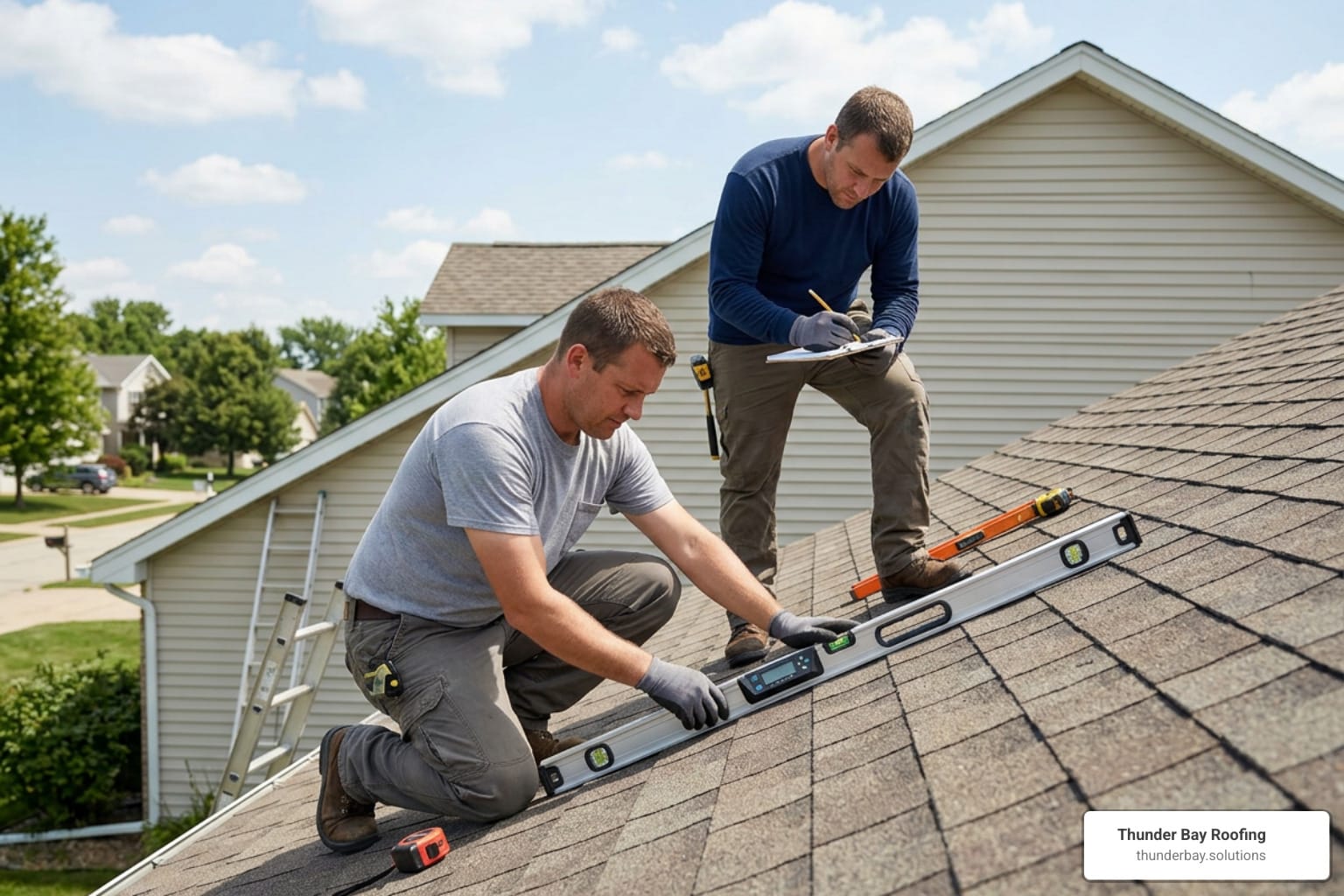

The Homeowner’s Guide to Ceiling Damage from Leaking Roofs
What to Do About Ceiling Damage from a Leaking Roof
Ceiling damage from a leaking roof is one of the most urgent home repair problems you can face — and it moves faster than most homeowners expect. If you are currently experiencing water intrusion, securing professional roofing services in Wesley Chapel is the most effective way to prevent structural failure and mold growth.
Here’s what you need to know right away:
Quick Answer: How to Handle Ceiling Damage from a Roof Leak
- Turn off electricity to any affected rooms immediately
- Place buckets under active drips and move valuables out of the area
- Do not patch the ceiling until the roof leak is fixed — cosmetic repairs without fixing the source will fail
- Dry the area within 24 hours — mold can begin growing in as little as 24 to 48 hours
- Document everything with timestamped photos before touching anything
- Call a licensed roofer to locate and repair the source of the leak
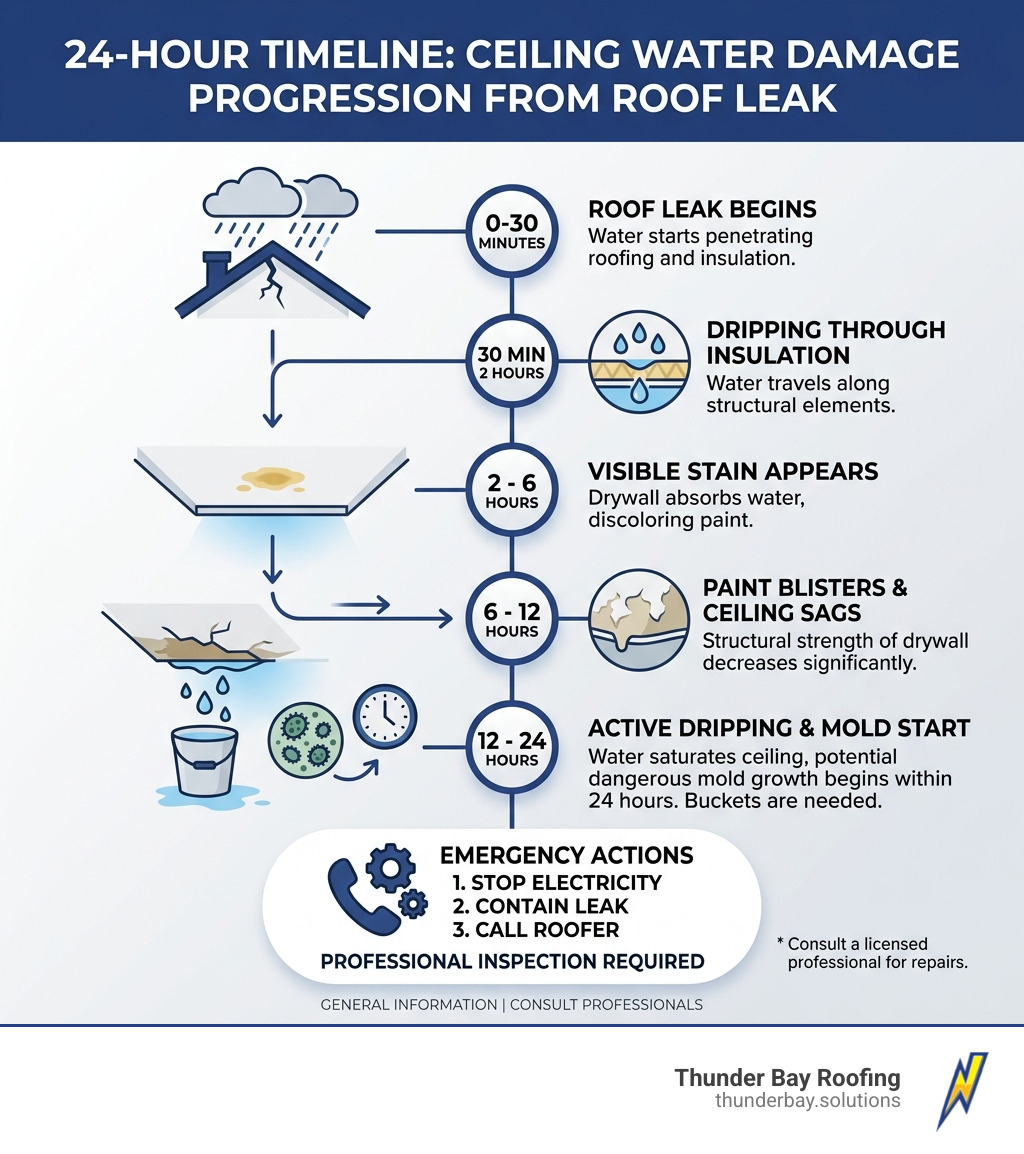
Water can penetrate ceiling drywall in as little as 30 minutes after a roof leak begins. Left unaddressed, repair costs can triple in under 72 hours once moisture reaches your insulation and framing. This is not a problem that gets better on its own.
Many Wesley Chapel homeowners first notice a faint yellow stain or a small bubble in their paint — and assume it’s minor. It rarely is. Water travels along roof decking, rafters, and insulation before it ever shows up on your ceiling, which means visible damage is often the last sign of a problem that’s already been spreading for weeks.
I’m Tyler Wood, owner of Thunder Bay Home Solutions in Wesley Chapel, Florida — and through my work in residential and commercial roofing across the Tampa Bay area, I’ve seen how ceiling damage from a leaking roof can escalate from a small stain into a major structural and mold remediation project when action is delayed. This guide walks you through exactly what to do, step by step.
Identifying the Signs of Ceiling Damage from Leaking Roof
Recognizing ceiling damage from a leaking roof early is the difference between a $350 patch job and a $15,000 restoration project. In our experience across Land O’ Lakes and West Central Florida, water damage rarely presents as a dramatic “gush” initially. Instead, it starts with subtle visual cues that homeowners often overlook.
The most common signs include:
- Discoloration and Yellow Stains: These often appear as rust-colored or yellowish spots with dark outer rings. These rings form as the water carries dirt and tannins from your wooden rafters and insulation into the drywall.
- Bubbling or Peeling Paint: When moisture gets trapped between the drywall and the paint layer, it causes the paint to lose adhesion, creating “water blisters” or peeling sections.
- Sagging or Bowing Drywall: This is a critical warning sign. Drywall is heavy; when it becomes saturated with water, it loses its structural integrity and begins to sag under its own weight. If you see a bow in your ceiling, it is at risk of collapse.
- Musty Odors: If a room smells like a damp basement or old laundry, moisture is likely trapped in your attic.
- Cracks: While some cracks are due to house settling, patterned or expanding cracks often indicate that water is weakening the ceiling joists.
If you notice any of these symptoms, scheduling a professional roof repair should be your top priority. In April 2026, modern inspection standards emphasize looking for “consequential damage”—the secondary issues like rot and mold that happen inside the home because of a primary roof failure. For a deeper look at what these stains mean, you can view this visual guide to water damage signs.
Recognizing Hidden Moisture
Just because your ceiling isn’t dripping doesn’t mean it’s dry. Water is deceptive; it often travels laterally across beams for several feet before finding a seam in the drywall to exit. This means the stain you see in your living room might be caused by a leak ten feet away in your roof valley.
To find hidden moisture, we use advanced inspection tools like:
- Infrared Detection: Thermal imaging cameras can see temperature differences. Wet insulation is cooler than dry insulation, allowing us to “see” the water path through the ceiling without cutting holes.
- Moisture Meters: These tools provide a percentage of saturation. If drywall registers above 15-20% moisture, it is effectively compromised and will likely require replacement.
- Attic Inspections: We look for damp insulation, matted fiberglass, or water tracks on the rafters.
If the damage is localized, you may be able to find ceiling materials and replacement parts for minor DIY fixes, but only after the moisture has been completely eliminated.
Immediate Response and Safety Protocols
When you discover ceiling damage from a leaking roof, your first instinct might be to grab a sponge. Stop. Your first instinct should be safety.
Electrical Hazards are Real. Water and electricity are a deadly combination. If water is dripping near a light fixture, ceiling fan, or outlet, go to your breaker box and shut off the power to that room immediately. Never touch a wet light switch.
Once the area is safe, follow these steps:
- Contain the Water: Place a bucket or a plastic bin under the drip. If the water is pooling behind the paint (causing a large bubble), you can carefully “drain” it by poking a small hole in the center of the bubble with a screwdriver to direct the water into a bucket. This prevents the weight from causing a larger ceiling collapse.
- Protect Your Belongings: Move furniture, electronics, and rugs out of the room. If furniture is too heavy to move, cover it with plastic sheeting.
- Document the Damage: Before you clean up, take clear, timestamped photos and videos. This is vital for insurance purposes.
- Call for Emergency Help: If the leak is severe, you may need emergency tarping services to prevent your home from flooding during the next Florida rainstorm.
Immediate Mitigation for Ceiling Damage from Leaking Roof
The goal of mitigation is to stop the damage from spreading. According to FEMA, the “mold window” is 24 to 48 hours. If you can get the area dry within that timeframe, you can often avoid expensive mold remediation.
Start by increasing ventilation. Open windows (if it’s not raining) and run high-powered fans and dehumidifiers. If you aren’t sure where the water is coming from, you can learn how to troubleshoot a leaking ceiling to rule out plumbing issues versus roofing failures. Generally, if the leak only happens during a storm, it’s a roof issue. If it’s constant, it’s likely a pipe.
Finding and Fixing the Roof Leak Source
You cannot fix a ceiling until you have fixed the roof. It’s like mopping a floor while the sink is still overflowing. Finding the source requires a “detective” mindset because water rarely moves in a straight line.
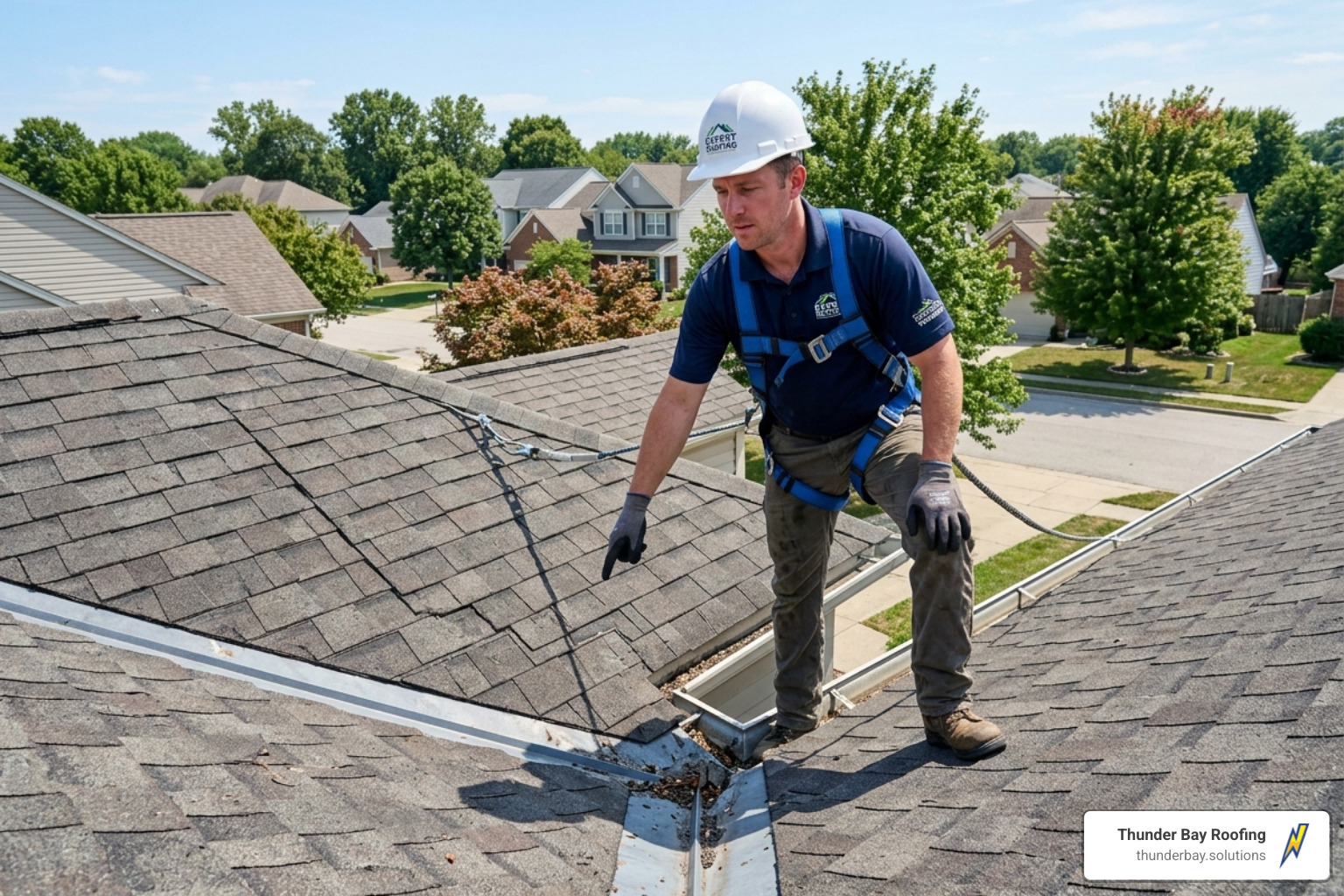
At Thunder Bay Home Solutions, we utilize advanced roof leak detection techniques to trace water from the ceiling stain back to the entry point. Common culprits we find in Wesley Chapel and Land O’ Lakes include:
- Flashing Failure: The metal transitions around chimneys and dormers often rust or pull away.
- Pipe Boot Deterioration: The rubber seals around plumbing vents dry out in the Florida sun and crack.
- Clogged Gutters: When gutters are full of debris, water backs up under the shingles at the roof’s edge (the eave).
- Damaged Shingles: High winds can lift shingles, allowing rain to be driven underneath.
Common Causes of Interior Water Intrusion
Living in West Central Florida means our roofs face unique stresses. Storm damaged roofing is the leading cause of ceiling leaks in our area. Whether it’s a summer afternoon thunderstorm or a major tropical event, the sheer volume of water can find even the smallest gap.
Specific regional issues include:
- Hurricane Impact: Even if shingles aren’t missing, high-pressure winds can force water into soffits and vents. This often requires specialized hurricane damage roof repair to ensure the secondary water barrier is intact.
- Skylight Seals: The intense heat in Lutz and Wesley Chapel causes the seals on skylights to expand and contract until they eventually fail.
- Chimney Flashing: In older Florida homes, the mortar and flashing around chimneys are frequent points of entry.
The Restoration Process: Fixing the Interior
Once the roof is watertight, the interior restoration begins. Do not rush this. If you seal moisture inside a ceiling, you are essentially building a “mold incubator.”
The area must be 100% dry. This usually takes 3 to 7 days of constant dehumidification. Once dry, assess the structural integrity of the drywall. If it is soft, crumbly, or sagging, it must be removed.
| Repair Type | Estimated Cost | Scope of Work |
|---|---|---|
| Minor Patch | $250 – $500 | Scraping, priming, and painting a small stain (no structural damage). |
| Section Replacement | $500 – $1,200 | Cutting out a 2×2 or 4×4 section of drywall and replacing it. |
| Full Room Ceiling | $1,500 – $3,000+ | Removing all drywall, replacing insulation, and refinishing. |
Step-by-Step Repair for Ceiling Damage from Leaking Roof
If you are handling a minor repair yourself, follow this professional process using high-quality drywall materials:
- Remove Damaged Material: Cut out the wet drywall back to the center of the nearest ceiling joists. This gives your new piece of drywall a solid surface to screw into.
- Inspect the Joists: Check the wood for rot or mold. If mold is present, it must be treated with a professional-grade antimicrobial solution.
- Install New Drywall: Measure and cut a piece of drywall to fit. Use backing strips if you couldn’t reach a joist.
- Tape and Mud: Apply joint tape and 2-3 thin coats of joint compound (mud). Use “feathering” techniques—spreading the mud wider with each coat—to make the patch invisible.
- Prime and Paint: Use a stain-blocking primer (like Kilz or Zinsser). Regular paint will not stop a water stain from bleeding through; only a specialized primer can seal it.
- Texture Matching: Many Florida homes have “knockdown” or “orange peel” textures. You can buy aerosol texture sprays to match your existing ceiling.
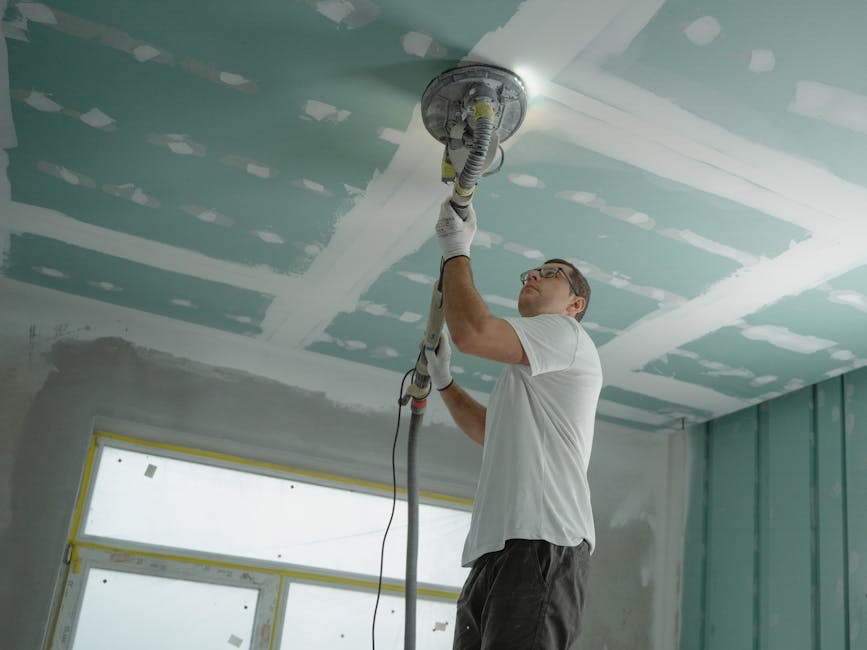
While you are fixing the interior, don’t forget the exterior. Often, missing shingle replacement is needed to ensure the repair lasts.
Costs, Insurance, and Prevention
The cost to repair ceiling damage from a leaking roof varies wildly based on how long the water was running. Average restoration costs typically start at $350 for a simple stain and can go up to $2,000 or more if the drywall is sagging.
Will Insurance Help? Homeowners insurance generally covers “sudden and accidental” damage. If a tree falls on your roof during a storm, your policy will likely cover both the roof repair and the ceiling damage. However, if the leak was caused by a 30-year-old roof that simply wore out, insurance may deny the claim due to “lack of maintenance.”
To ensure a successful claim:
- Document the “peril” (e.g., photos of hail on the ground or wind-blown shingles).
- Keep receipts for all temporary repairs (like buckets or tarps).
- Get a professional inspection to provide an itemized estimate for wind damage repair or hail damage repair.
Prevention is Cheaper than Repair. The best way to handle ceiling leaks is to never have them. We recommend following GAF’s roofing maintenance guidelines and scheduling residential roofing maintenance at least twice a year. In Wesley Chapel, we suggest inspections before and after the hurricane season to catch cracked boots or loose shingles before they become interior disasters.
Frequently Asked Questions about Ceiling Leaks
How quickly does mold grow after a roof leak?
Mold growth can begin in as little as 24 to 48 hours after water exposure. Mold spores are always present in the air, but they need three things to grow: moisture, a food source (like the paper on drywall), and stagnant air. Your attic provides all three. If the humidity in your home stays above 50-60%, the mold can spread through your HVAC system to other rooms.
Will homeowners insurance cover ceiling damage from a leaking roof?
Usually, yes—provided the cause of the leak is a “covered peril” like a storm, fire, or falling object. In 2026, insurance companies are becoming more stringent about documentation. They want to see that the homeowner took “reasonable steps” to mitigate damage (like putting out buckets or calling a roofer quickly). If they find the leak was active for months and you ignored it, they may deny the claim.
Can I just paint over a water stain on my ceiling?
No. Painting over a wet or even a dry water stain is a mistake. If the drywall is still damp, you are trapping moisture, which will lead to rot and mold. Even if it is dry, the minerals in the water stain will bleed through standard latex paint within weeks. You must fix the roof source first, ensure the area is 100% dry, and use a high-quality stain-blocking primer.
Conclusion
Ceiling damage from a leaking roof is a race against time. From the moment water penetrates your shingles, you have about 48 hours to prevent a localized repair from turning into a full-scale mold remediation project. By acting fast, prioritizing safety, and ensuring the roof source is fixed before the interior is patched, you can protect both your home’s value and your family’s health.
At Thunder Bay Home Solutions, we specialize in the unique challenges of West Central Florida’s climate. Whether you are in Wesley Chapel, Lutz, or Land O’ Lakes, we provide customized roofing solutions designed to withstand our intense sun and heavy rains.
Don’t wait for the next storm to turn a small spot into a collapsed ceiling. Contact us today for a Free Roof Quote. We are licensed, insured, and ready to help you keep your home dry and safe.